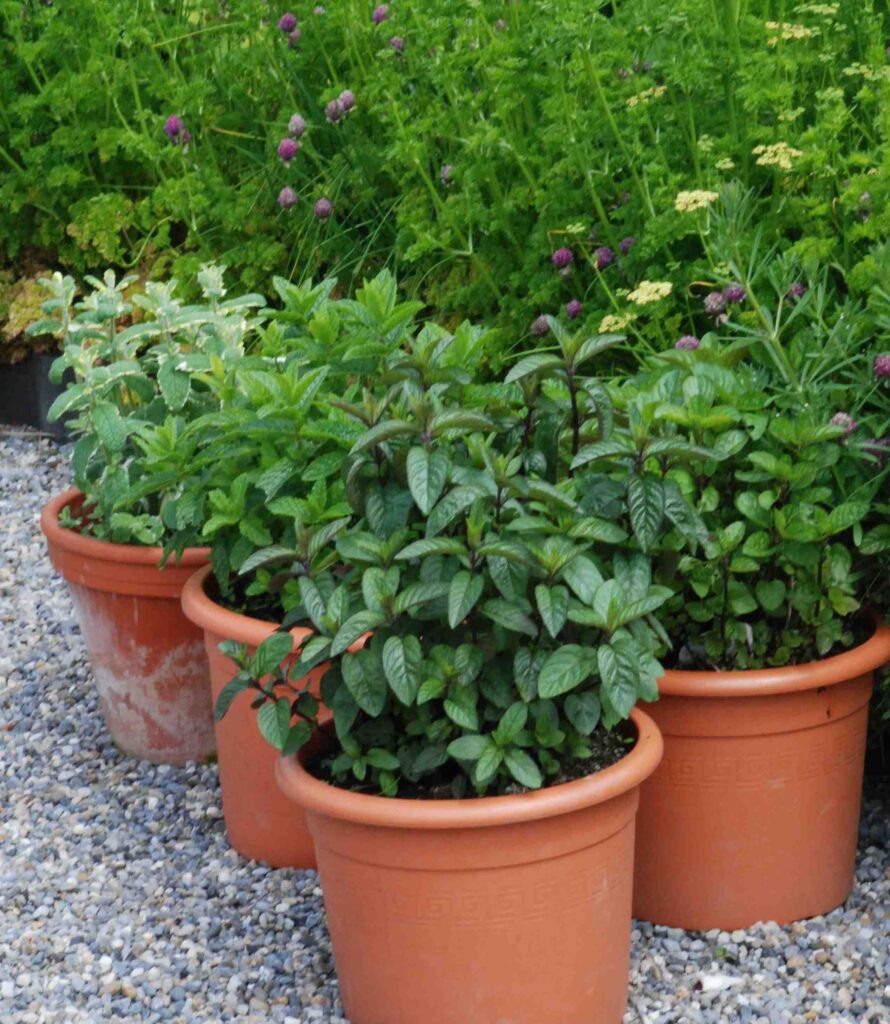
It looks as if spring might be on the horizon and today will be dry and, perhaps bright. It was wonderful to meet some of you at the ‘tea and talk’ events at Betchworth and Nags Hall on Thursday and Friday. Check the website for future events and I will always give details on this blog so check every week for details as well as timely garden tips. While I was at the centres last week there were wonderful pots of herb plants so this week I will take a detailed look at mint.
Herbs are so valuable in making a meal special and there are dozens of herbs you can grow in your own garden. I grow lots but there are two that get used more than the others: parsley and mint. Parsley is a biennial and the plants ‘run to seed’ in the second spring so you need to sow it every spring, or buy plants in summer.
Mint is a bit different because, although you can grow it from seed, it is far better to buy a named mint with special flavour – there are dozens of different kinds that all have subtly different tastes and aromas.
Some herbs (for example basil and tarragon) can be a bit of a challenge to grow but mint is not! In fact, the main problem with mint is that it is likely to take over your garden and it should not be planted in your neat herb garden along with thyme and sage. They will quickly get swamped.
Mint produces upright stems we can harvest and running stems that spread over the soil and root as they grow. They do this because mints need rich soil and as they use up the nutrients in one patch they go off and find better soil. It is very enterprising of them but it can be very annoying for us.
So, for most of us, the best way to grow them is in pots. All mints can be grown in pots and they prefer a sunny or part-shaded position – not baking hot sun. Unlike some shrubby herbs, they do not require blazing sun or dry soil. Multipurpose compost is fine but I prefer to mix equal parts John Innes compost and multipurpose for extra nutrients. And I add extra fertiliser at planting time and the mint gets lots of water and extra liquid fertiliser during summer. If mint is growing well and lush it is less likely to suffer from ‘rust’, the main problem. If your plants do get rust and look scruffy, not unusual by August, just chop it all down, water and feed and it will bounce back.
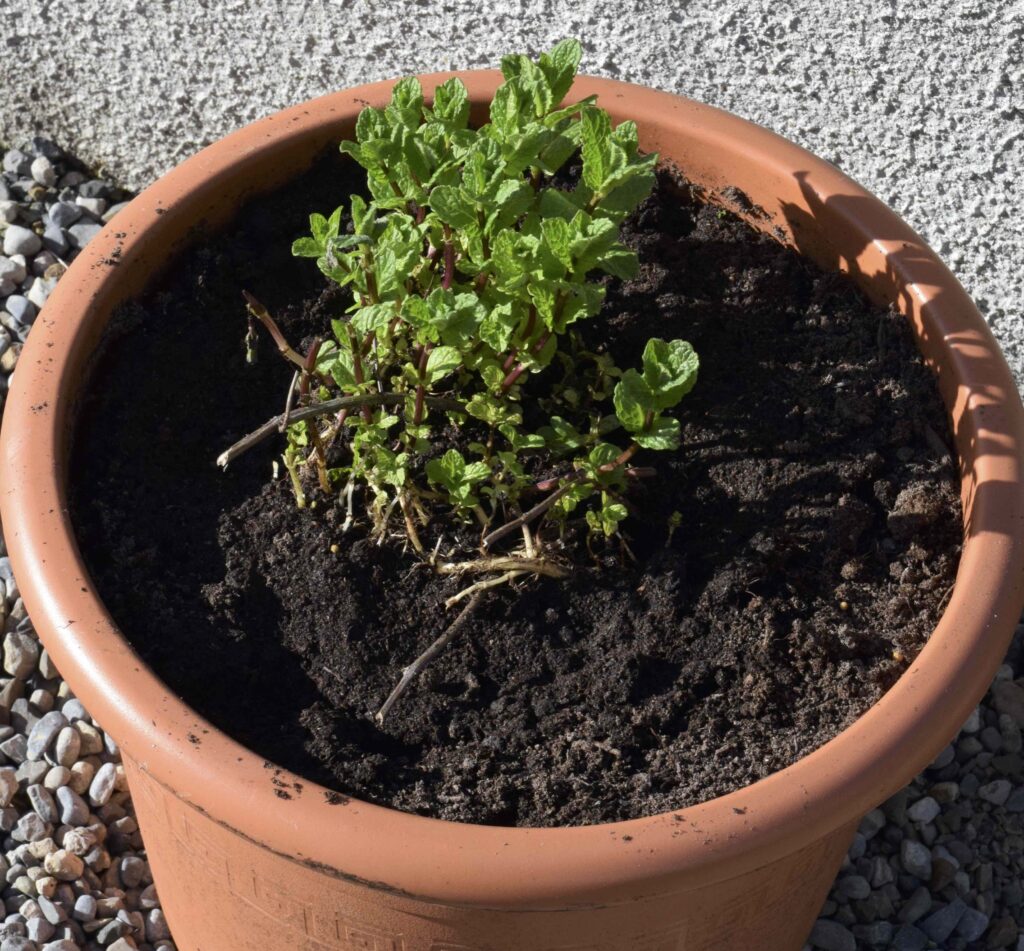
Growing in pots is easy and will keep you supplied with fresh mint all summer but, you must repot the mint every spring. If you do not do this it will be weak the second year and throw out shoots over the side of the pot. So, in spring, knock out the pot, chop off a piece from the edge of the roots and repot that in fresh compost (above). You can discard the rest or give it away.
When it comes to mints, there are dozens of kinds. You can use mint in so many dishes and I use masses for fresh mint tea in summer, though you may prefer to use yours in a mojito! Furry-leaved apple mint is very popular and good for mint sauce. There is a variegated kind that is very pretty and less vigorous. You can buy various kinds of spearmint and peppermint. But my favourite is Moroccan mint.
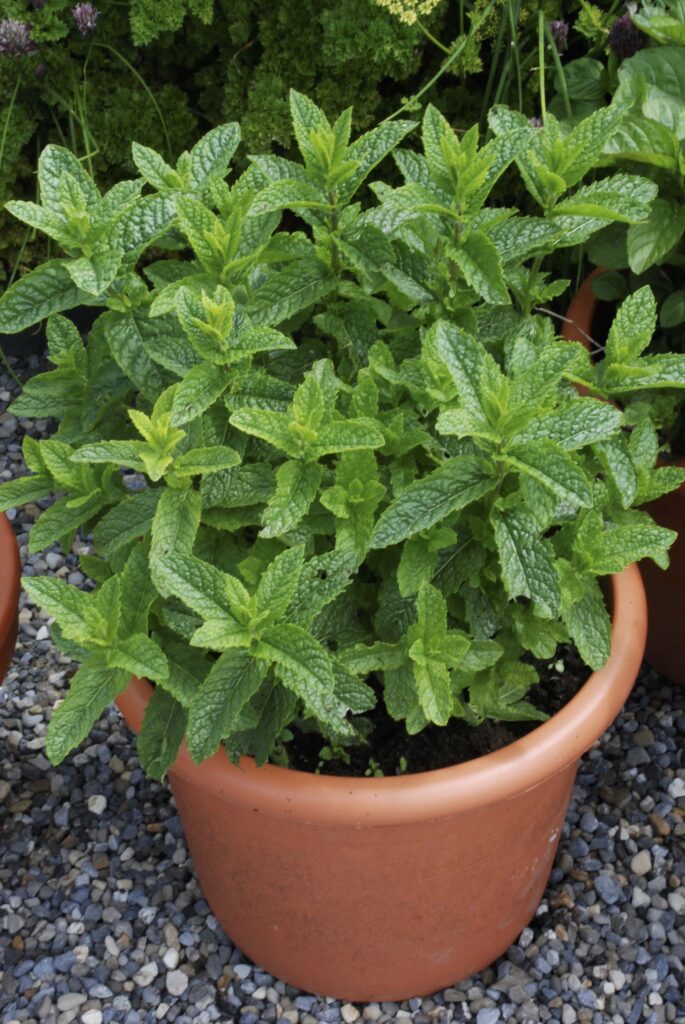
If you keep picking the young shoots you will encourage more, fresh growth and you will delay flowering. But if your plants do start to bloom, your local insects will thank you. The spikes of small blooms last for weeks and are loved by bees.
Although I am not usually a fan of insects chomping my mints, there is one exception that I have not seen for many years. The metallic, emerald green adult mint beetles (Chrysolina herbacea), about 8mm long, are like beautiful jewels when they appear on your mint plants. The adults are most common in early summer when they lay eggs and the larvae eat the foliage. The adults can live for several years. They are most common in the south and west of England and I aways saw them when I visited my great aunt and uncle near Godalming. Growing a clump of any mint in the open soil, where it can spread, especially in damp soil in some out-of-the-way spot, is the best way to encourage these dazzling insects.
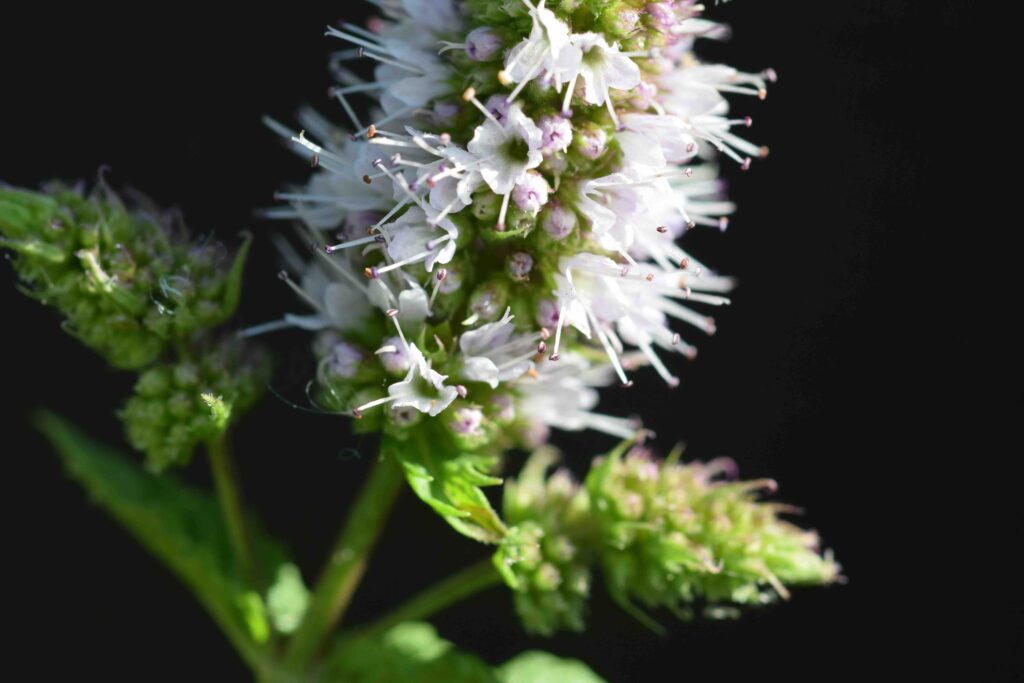
You can buy mint plants now. Pop one in patio pots (about 30cm wide and deep) and you will have lots of fresh mint to add to your dishes all summer.
What to do this month
Feed and prune roses over the next few weeks
Sow peas and broad beans in the garden
You can start to sow onions, cabbages and lettuce in the greenhouse
If we get a dry day, hoe off annual weeds
Plant bare root trees and shrubs – it will be too late in a few weeks.