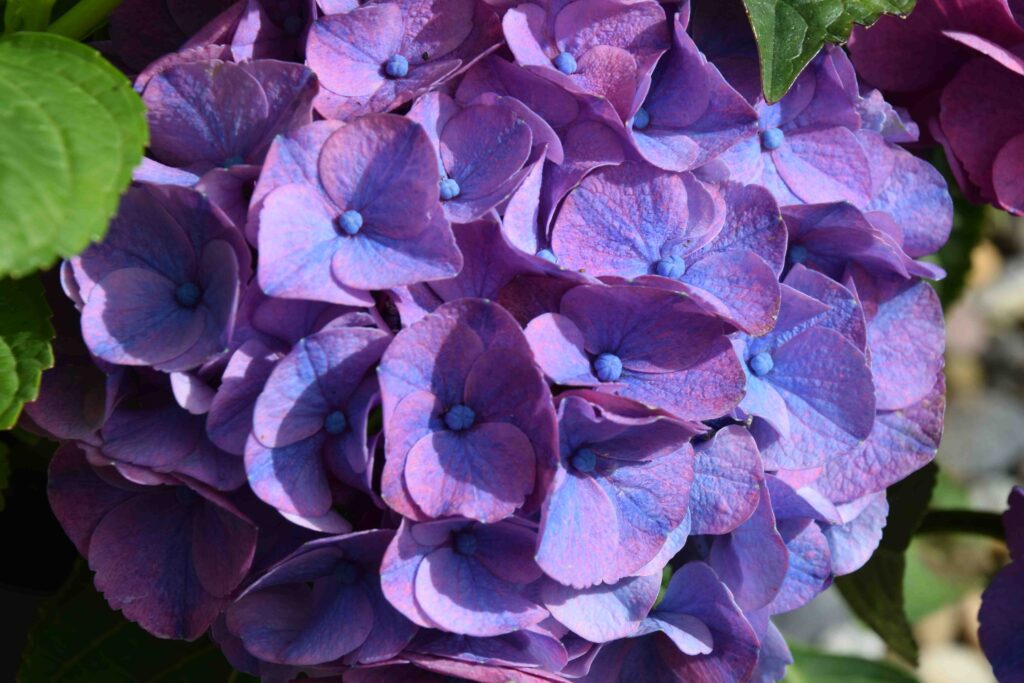
A bunch of flowers is a lovely gift but it won’t last long. Chocolates are delicious but full of calories. But a pot plant will last for months and won’t affect your the waistline either. And both Nags Hall and Betchworth have wonderful selections of flowering and foliage houseplants. When I worked at Nags Hall, in the 80s, the range of flowering houseplants was very different. There were potted chrysanthemums, African violets, cinerarias and hydrangeas, forced into early bloom.
You can still buy hydrangeas, forced to bloom early, for the next few months, and they are spectacular and beautiful. If kept cool and never allowed to dry out they will last for many weeks and can then be planted in the garden – but do not do that until after the last spring frost, in May. The plants are hardy but remember they have been forced into early growth and that will be damaged by frost.
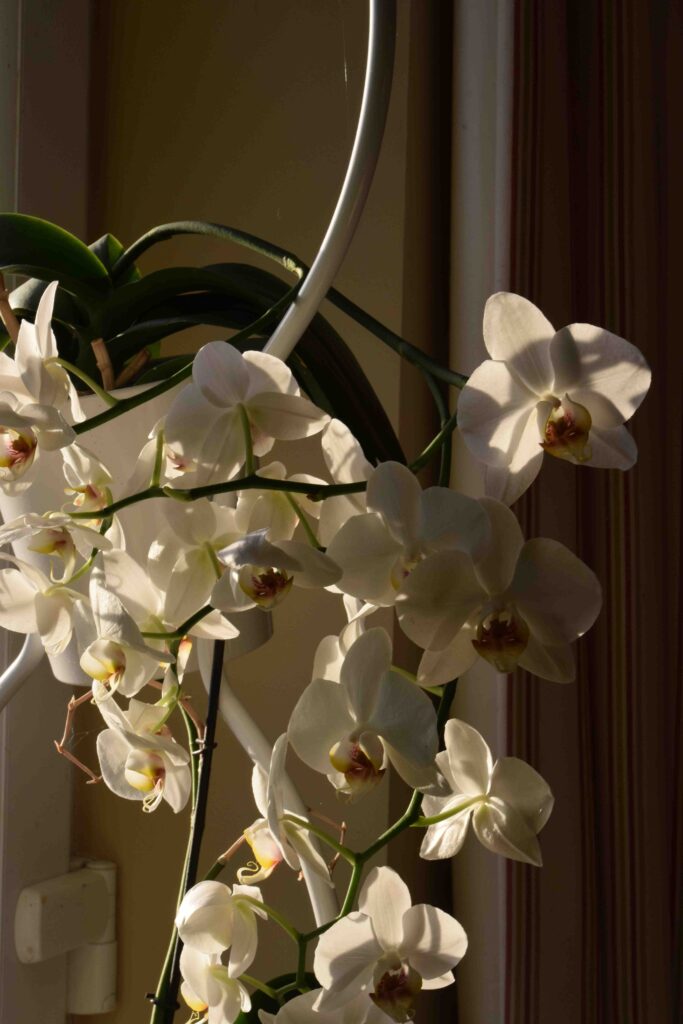
In the 1980s orchids were something of a rarity and very expensive. Now they are the most popular of all flowering houseplants. And the most popular of them all are the moth orchids (phalaenopsis). The individual flowers last for several months and with extra buds to open the flowers on a plant can last at least six months. These orchids prefer a warm room in good light but away from direct sun. Water thoroughly, tip away the excess and do not water again until the compost is dry – which may be one week or two or more. The plants will last longer if they are on the dry side. They will survive being dry but if they stand in water for a week or more they will die.
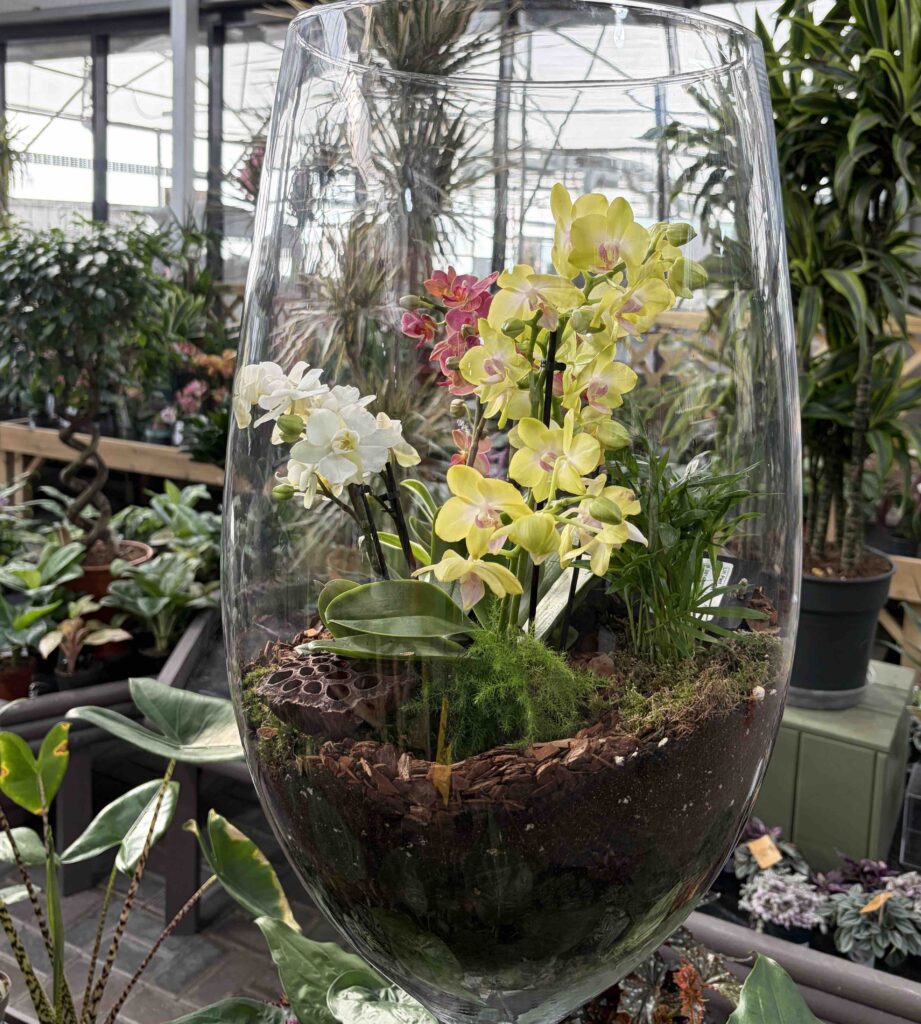
You will find an amazing selection of moth orchids and other orchids at Knights this weekend, perfect for giving as gifts.
Watering Houseplants
More plants are killed by bad watering than anything else. How often should you water? That is not an easy question to answer. Do not give water according to your diary – the water needs of a plant will vary according to how big the plant is, the season and the type of plant. So pick up the plant, judge the weight, and water accordingly. If it feels heavy them leave watering for a few more days. If it feels ver light then it probably needs watering. Try to avoid keeping the compost wet at all times. It is best if the compost gets almost dry, so some air can get to the roots, and then water thoroughly. Drip, drip, drip watering, so the compost is constantly wet, will drown the roots.
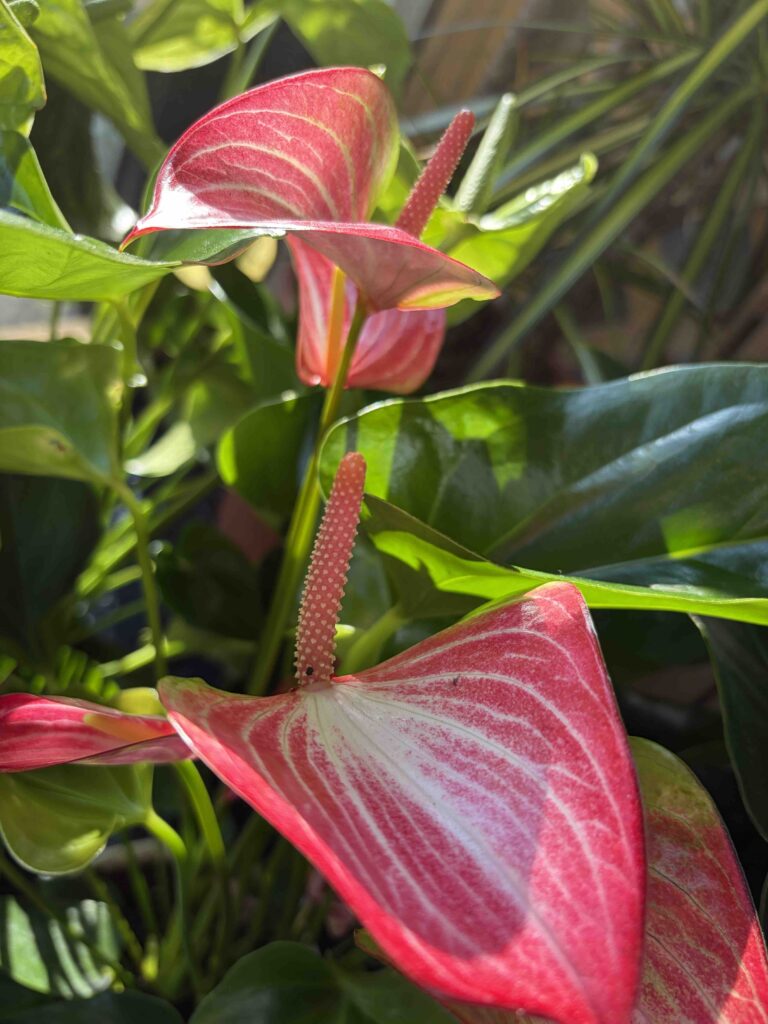
Anthuriums are another exotic flowering houseplant that are easy to look after and that bloom for months, sometimes all year. Their thick foliage and flowers are handsome and definitely tropical. They suit warm rooms with light shade – keep them away from direct sun. Like the orchids they also prefer to get almost dry before being watered again.
Misting
Most houseplants benefit from having their leaves misted. You can buy ‘orchid mist’ which will supply nutrients as well as raising the humidity around the plants. Misting with water helps relieve the dry atmosphere around your plants and will help to prevent brown leaf tips. You can also put your plants on a tray of moist gravel or put your plants in groups. If misting with water, use rainwater or cool, boiled water to prevent leaving white ‘lime’ marks on the leaves.
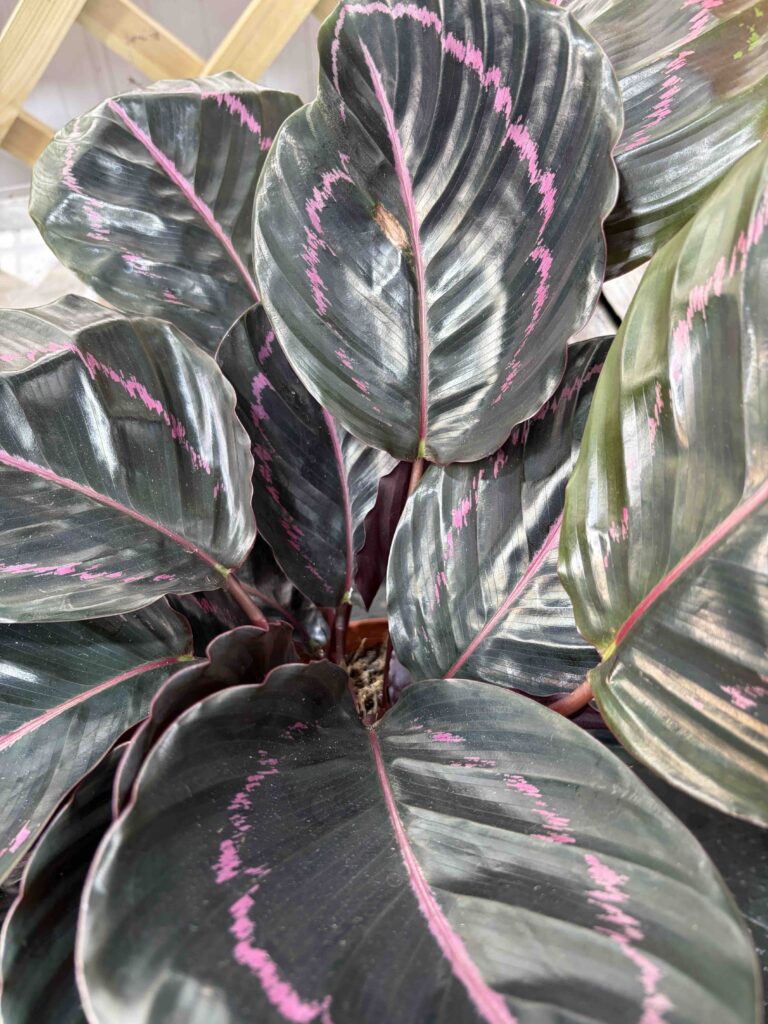
Among foliage houseplants the various calatheas are a great choice. They have rather thin, delicate foliage and these definitely benefit from misting. They all need a warm, shady spot and they should never be allowed to dry out completely.
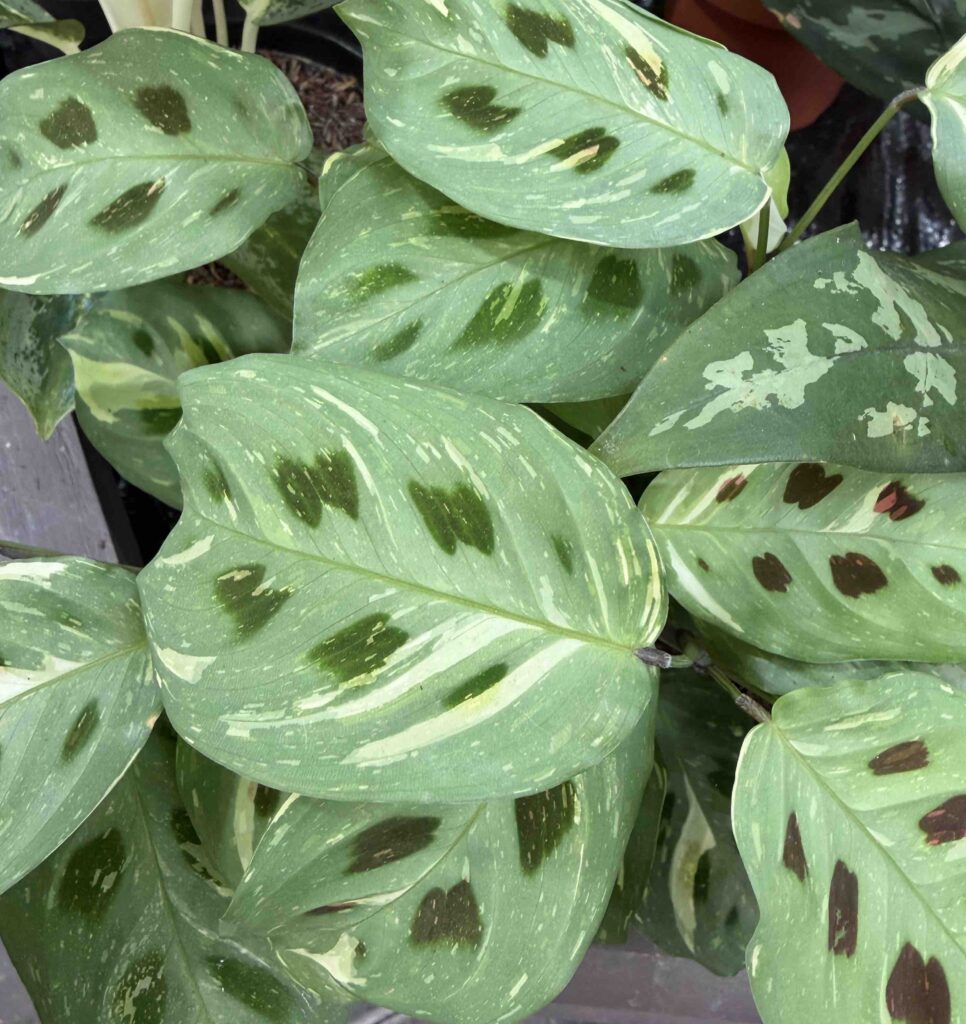
The closely related marantas are a bit less fussy and have trailing stems that can hang down from your coffee table or bookcase. They are frequently called ‘prayer plants’ because the leaves stand upright at night, rather like praying hands.
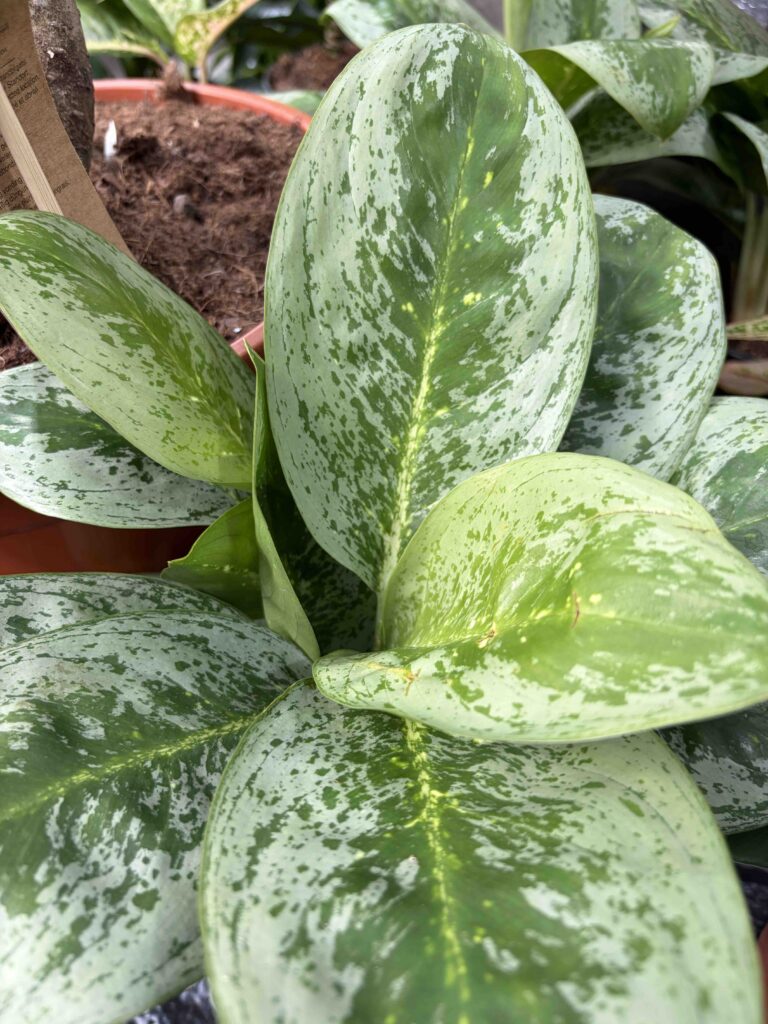
Some foliage plants stand the test of time – monstera are as popular now as they were 50 years ago. But dieffenbachia have been largely replaced by aglaeonema (Chinese evergreen). These grow more slowly, are tougher (if they are not overwatered) and now there are plants with pink and red leaves in addition to the more traditional green, grey and silver. They all tolerate low light so are good for darkish rooms and tolerate drought quite well.
Carnivorous plants
If you are looking for something a bit less obviously pretty then the many carnivorous plants are fun. The most popular is the Venus fly trap but, to be honest, it can be tricky to keep in the home. It needs a bright spot, even in sun, will go dormant in winter, and must be kept constantly moist with rain water. And they must not be allowed to bloom. If they flower it usually weakens the plant to the point where it may die of exhaustion.
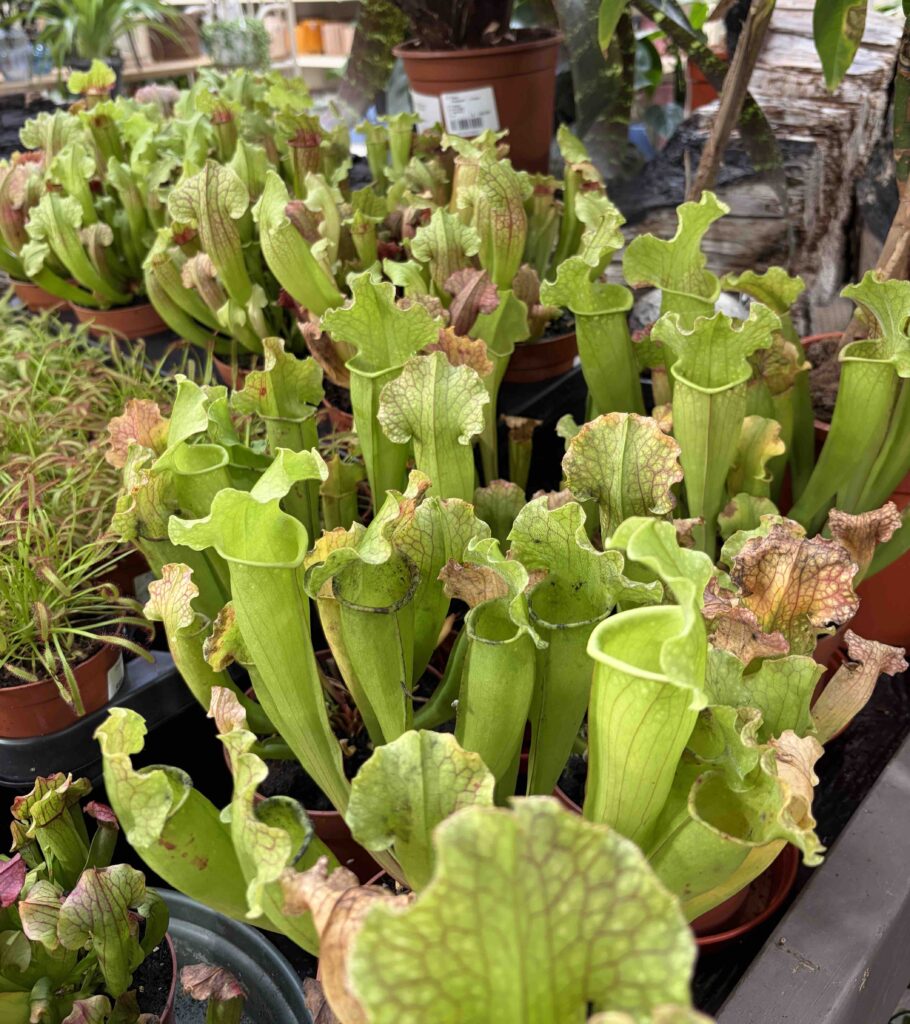
Sarracenias, the pitcher plants, are much easier to look after and more efficient fly catchers! They also produce large, decorative flowers. As with most of the other carnivorous plants, stand them in a tray of rain water – never water with tap water. They like sun to keep them compact and provide the best leaf colours and they can withstand temperatures down to 5c in winter – in fact they are better if they are cool in winter than in a heated room. Provided they are always moist they are easy to look after.
Never, ever, feed carnivorous plants with any kind of fertiliser