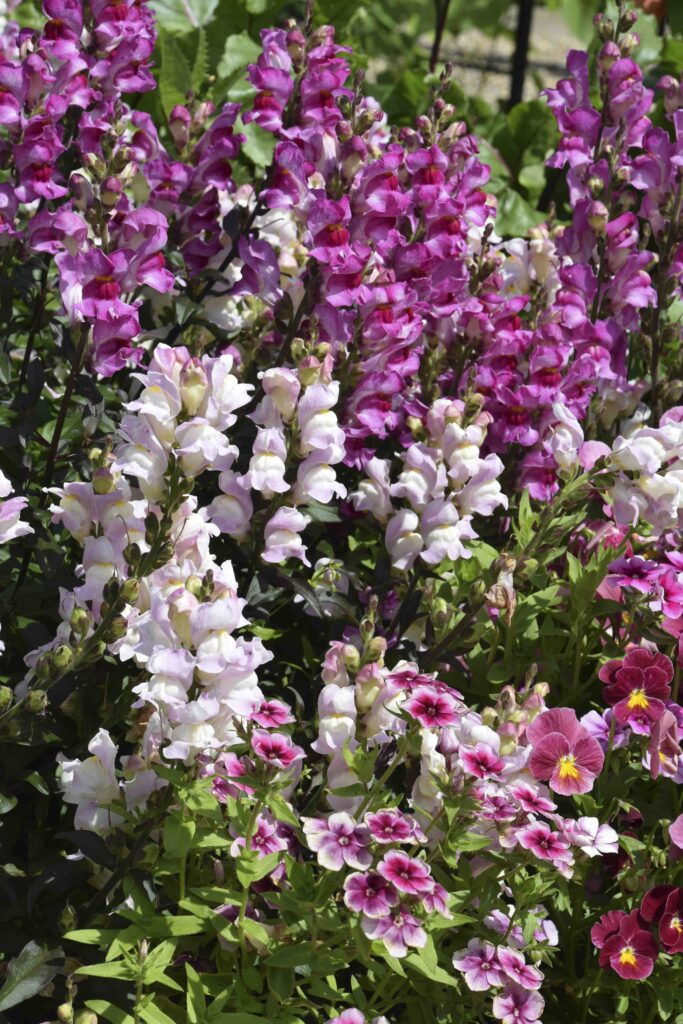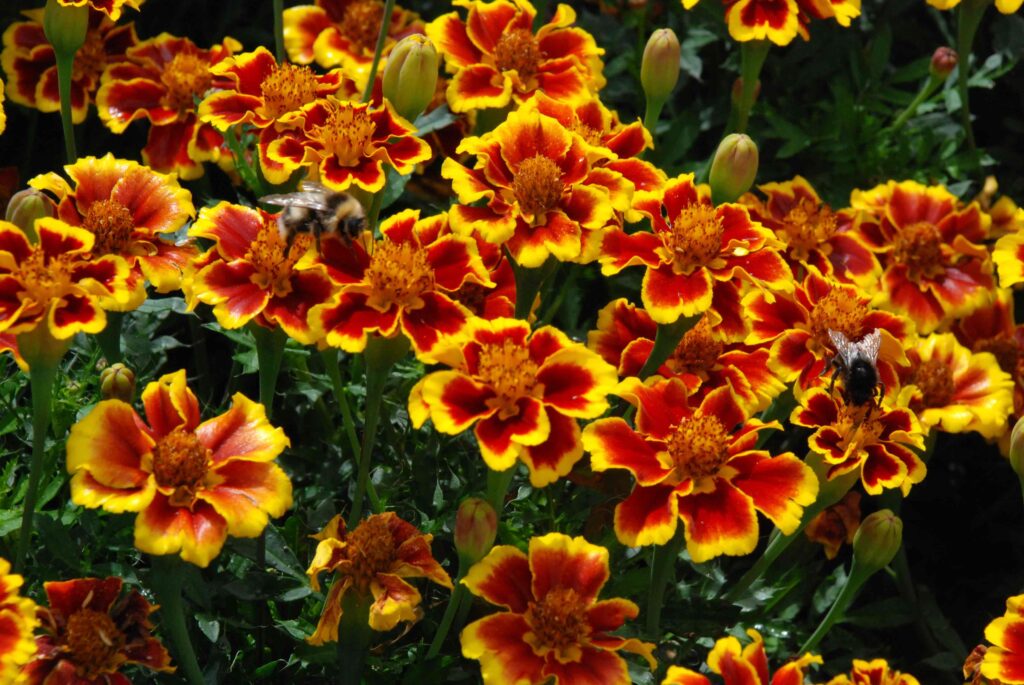
Remember that the clocks went forward last night. We are now in Summer Time. And in the garden, or at least in the greenhouse, it is time to sow for summer.
Mid March is when we should start to sow all those half hardy annuals for summer including petunias, marigolds, asters and more. But if you have not sown them yet do not panic. Later sowings easily catch up and every week you leave it, the better the conditions are for seed germination and growth. Days are longer and brighter and your plants will not be struggling on windowsills. Remember that most of these plants cannot be planted outside until mid May, when there is no danger of frosts killing them.
You can leave sowing hardy annuals until mid April and the same applies to sweetcorn, courgettes and squash. But now is the time to sow lots of annuals and vegetables.
You will need containers to sow the seeds into. Small pots or trays or cell trays are ideal. You will need some fresh compost too. Do not use an old bag that was left over from last year, it may be contaminated with weed seeds or disease. Buy a fresh bag. You may also want to mix some perlite into this to improve drainage and to cover the seeds. And then you will need a propagator – a tray with a clear lid. Most seeds need a temperature of about 20c so a windowsill in the house is usually fine. But avoid a sunny windowsill where the compost under the cover can become very hot. In a greenhouse you will need a heated propagator if you have a supply of electricity.
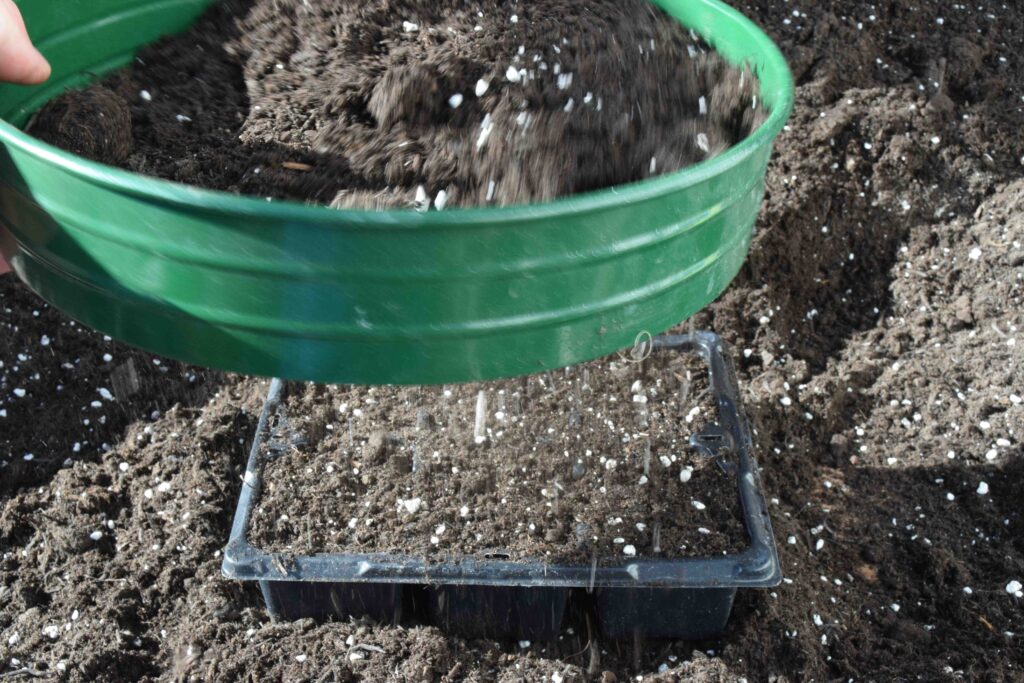
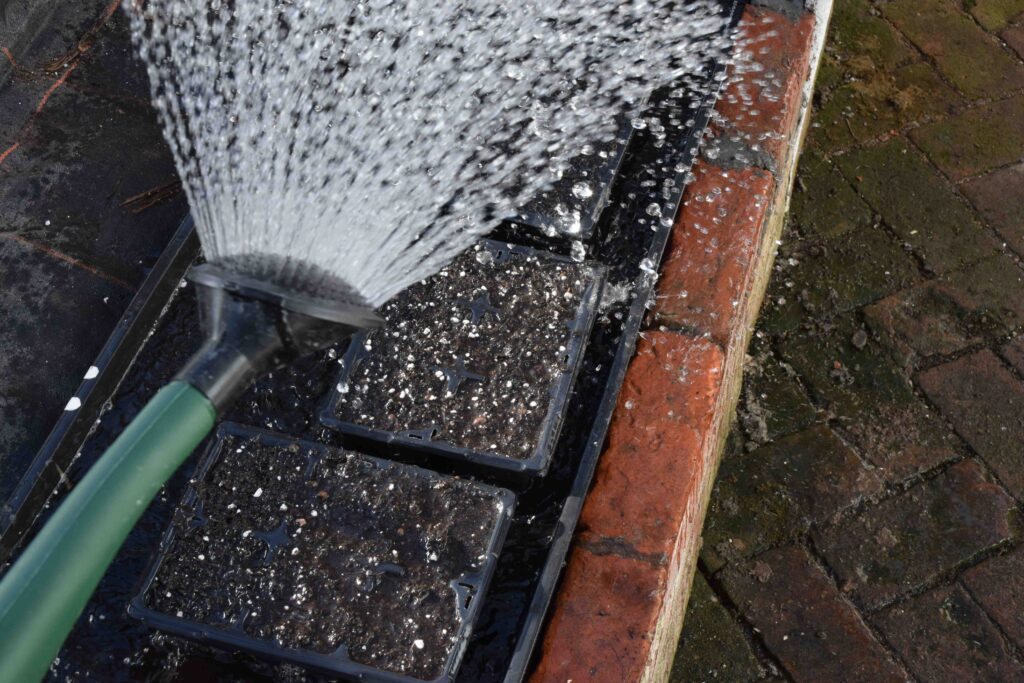
Fill the trays and tap to firm. Do not press the compost down. You can sieve compost onto the surface to ensure you have a level top. Then water with clean, tap water and not water from the water butt.
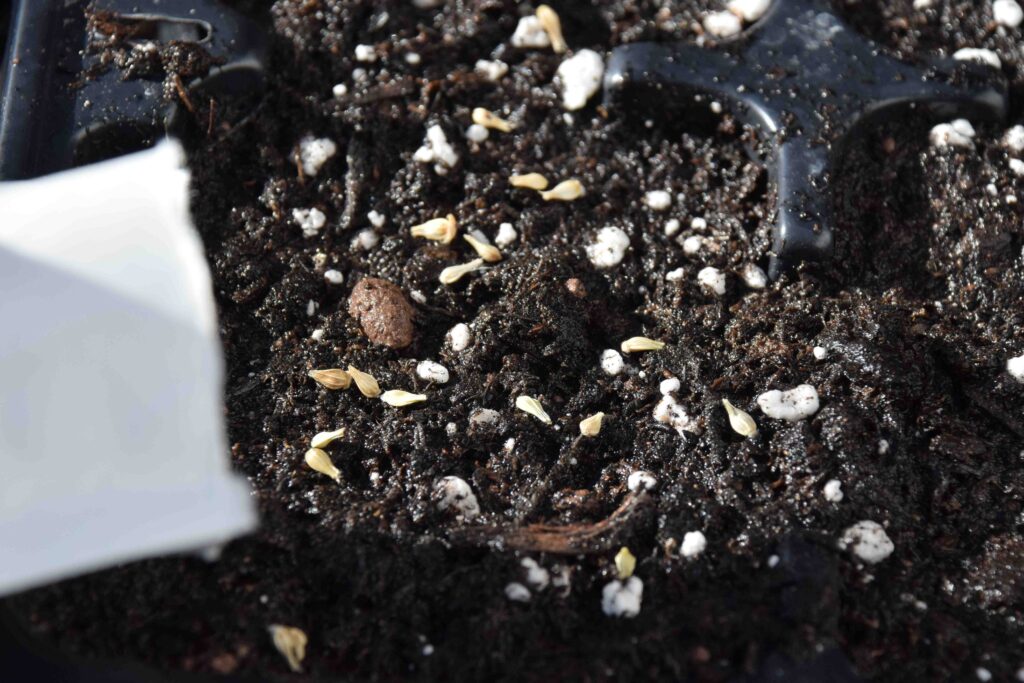
Then sow the seeds over the surface. Do not crowd them too much. Then you can cover with a little sieved compost or with perlite. Perlite keeps the seeds moist but allows light to reach the seeds. A few seeds must have light to germinate – these include petunias, antirrhinums and primula.
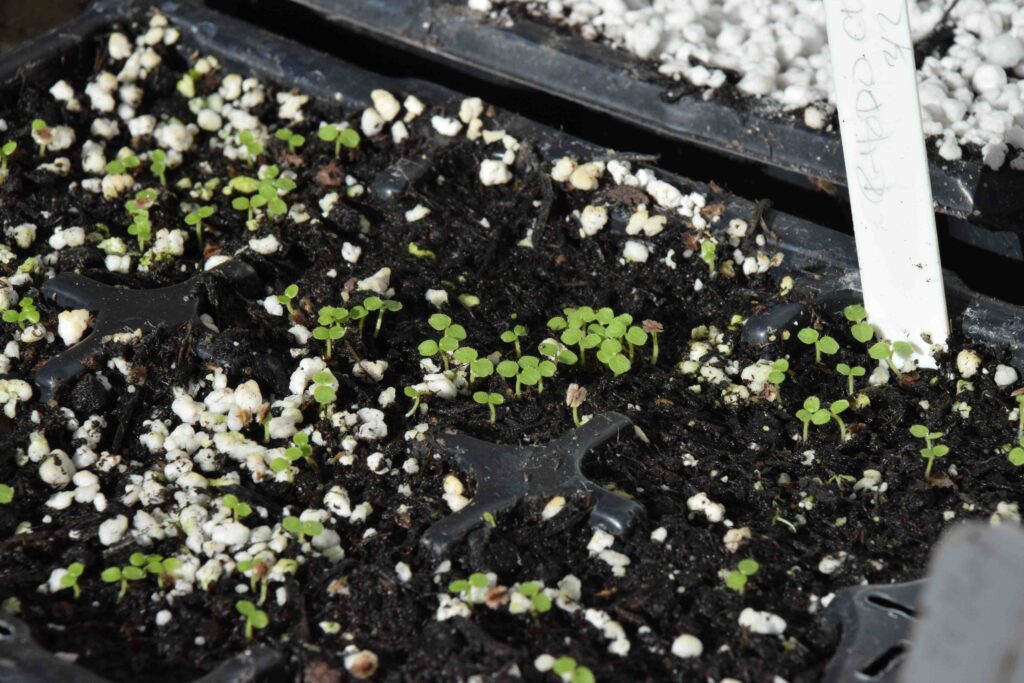
The seedlings will take from a week to a month to appear so be patient. When the seedlings are up and the two seed leaves are fully expanded and, perhaps, just as the first true leaves are appearing from the centre, you can carefully transplant them into trays or cell trays to grow on. Use a pencil or dibber to lift the seedlings from below – don’t tug. And only handle them with the seed leaves – never the stem. Then water gently and place in shade for a day or two and then in a brighter place to grow on.
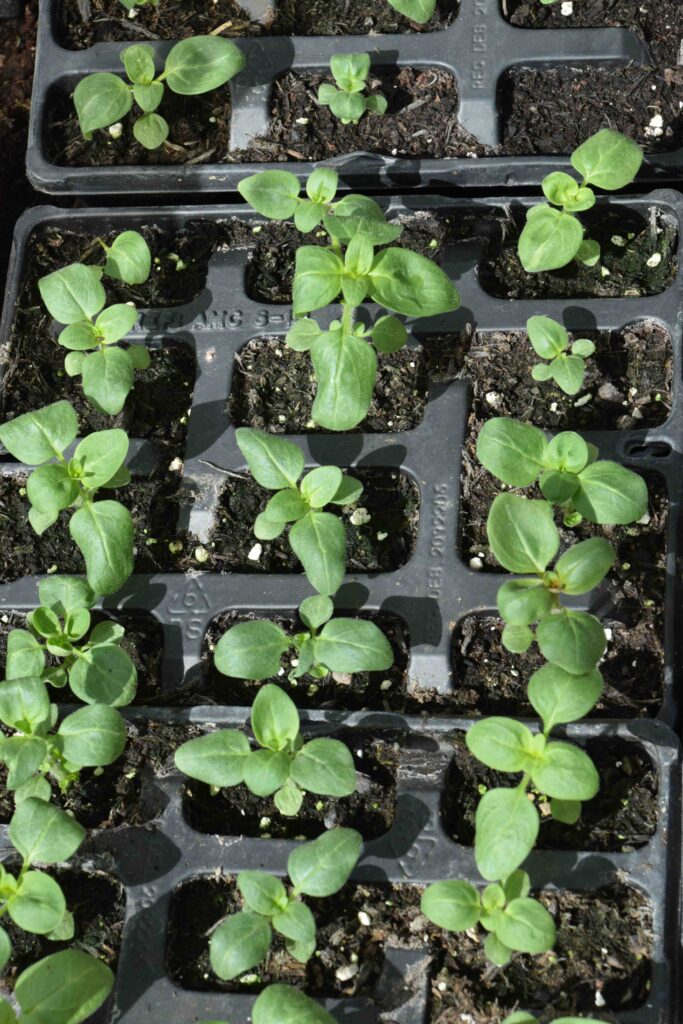
You will find they need little water at first but as they grow they will need more frequent watering.