Easter weekend is when everyone thinks about their garden. It is almost as if the thought of eating chocolate makes us want to get outside and do some exercise! And it is usually when the weather improves and we want to spend more time outside. Of course, the timing of Easter varies each year but it is always a time to be hopeful about the garden year ahead. Storm Dave is behind us now and the week is forecast to be warm and moderately kind.
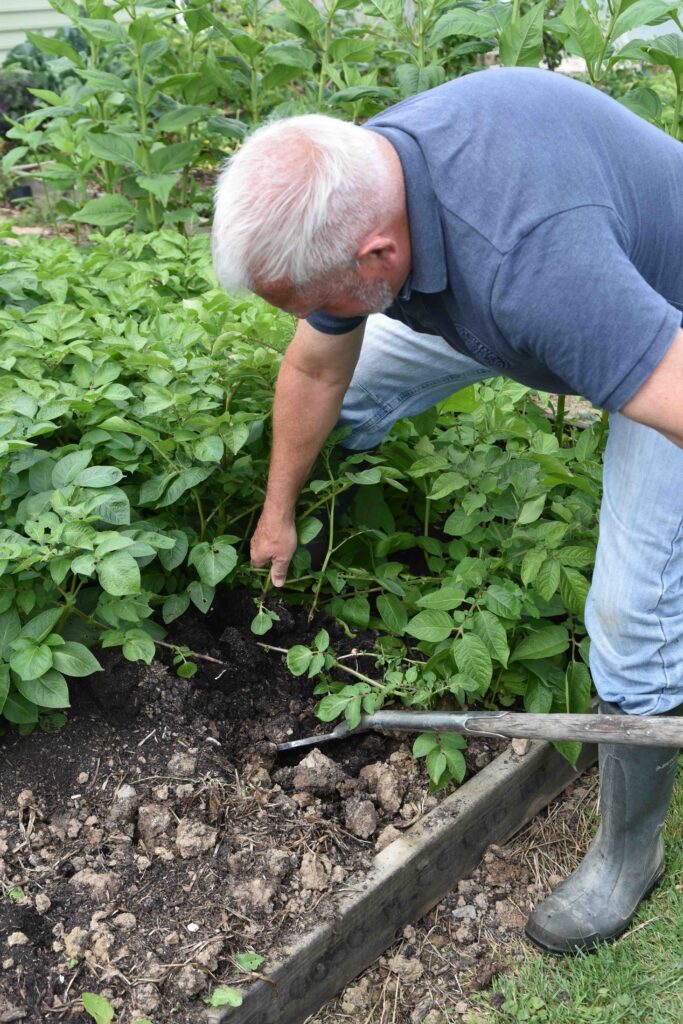
Easter is the traditional time to plant potatoes. Whether you are growing a few in bags or planting some in the garden, now is the time! There are still some available at Knights this weekend but they are selling fast so do not delay. Plant this month for your own crop of tubers to harvest from July onwards.
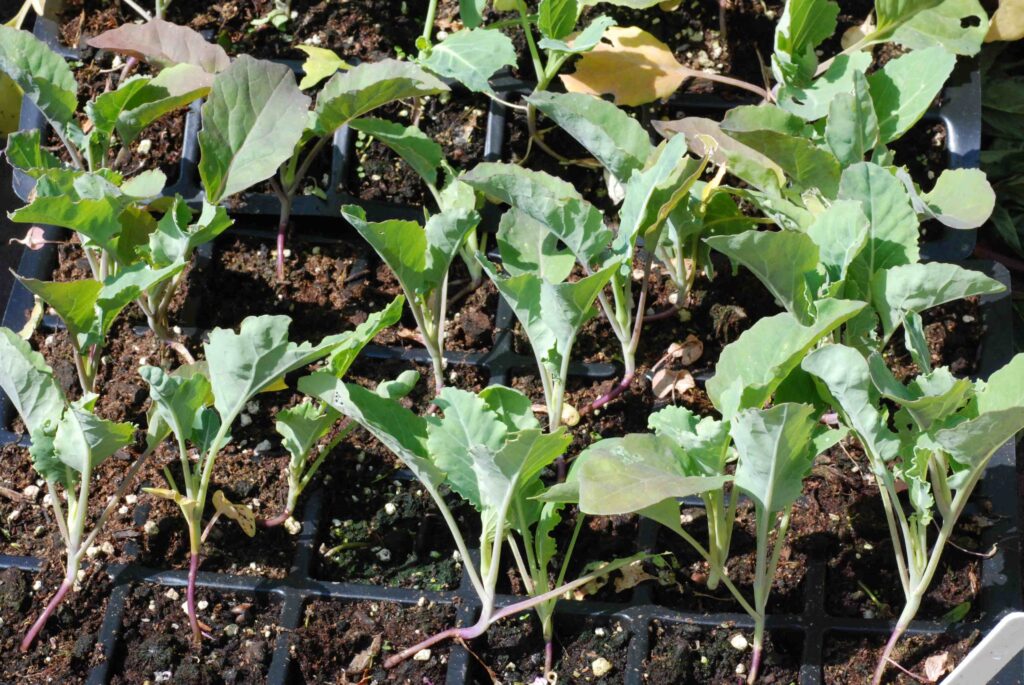
It is also the time to plant and sow a wide range of vegetables. At Knights you will find a wide range of vegetables and cabbage and calabrese are among the best for beginners. Prepare the soil, forking it over and removing all weeds, scatter some general fertiliser over the soil and pop in the plants. Keep them well watered as they get established and protect them from slugs and snails. Lettuce are another great crop to plant now as seedlings.
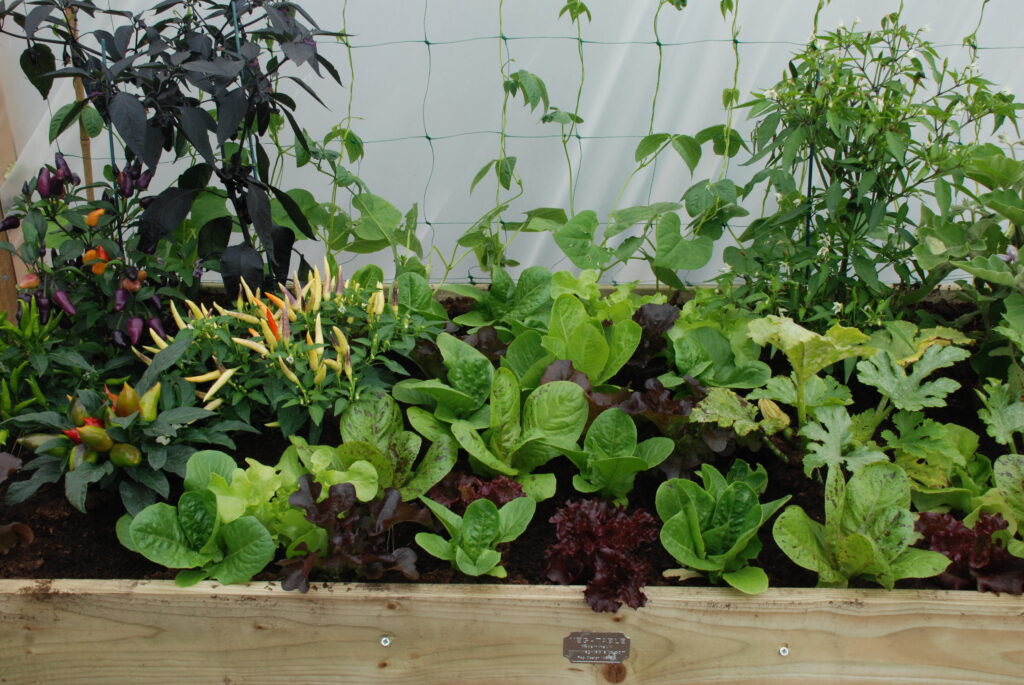
Salad leaves are also perfect for small gardens and you can grow them in raised beds and in growing bags. Buy a packet of your favourite salad leaves, such as rocket or lettuce or a mixed pack and sow direct where they are to grow.
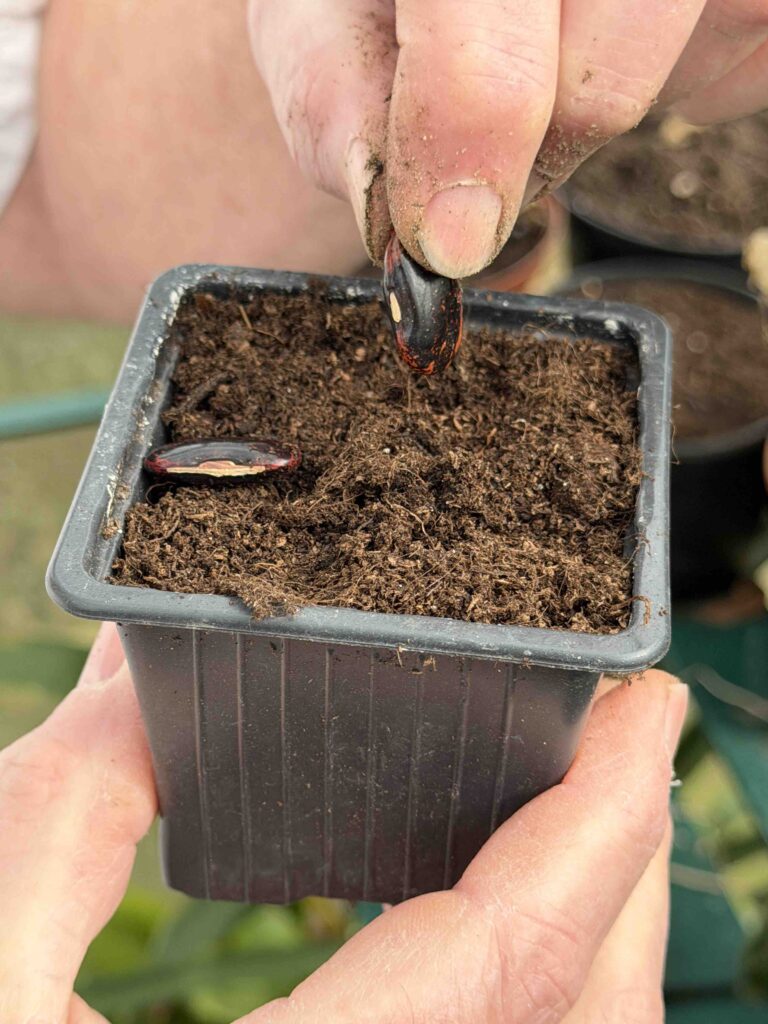
You can buy tomato plants too but remember that they dislike cold weather so do not plant them out yet, though they should be OK in a greenhouse – just watch the weather forecast! You can also sow French beans and runner beans in pots to plant out next month.
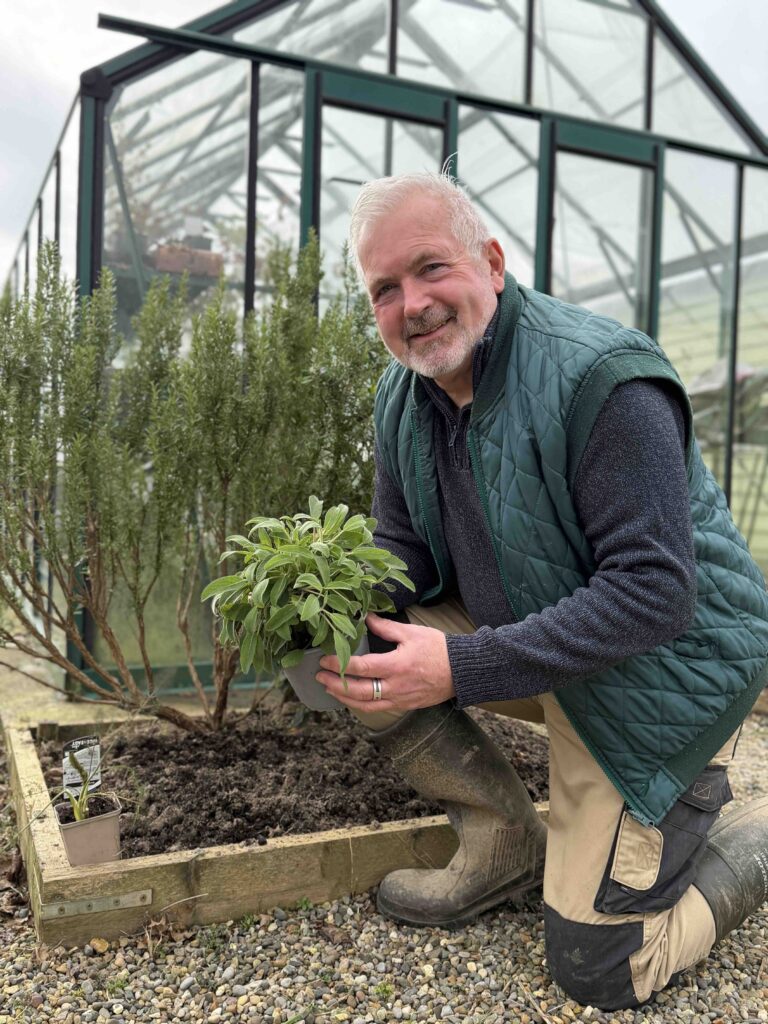
Give your meals extra interest with fresh herbs. Most are easy to grow and you can plant them now. Shrubby herbs like thyme, sage and rosemary prefer a sunny spot and will live for years. A raised bed is ideal but they will also grow well in patio pots filled with John Innes compost. Now is also the time to sow annual herbs like coriander, chervil, dill and basil.
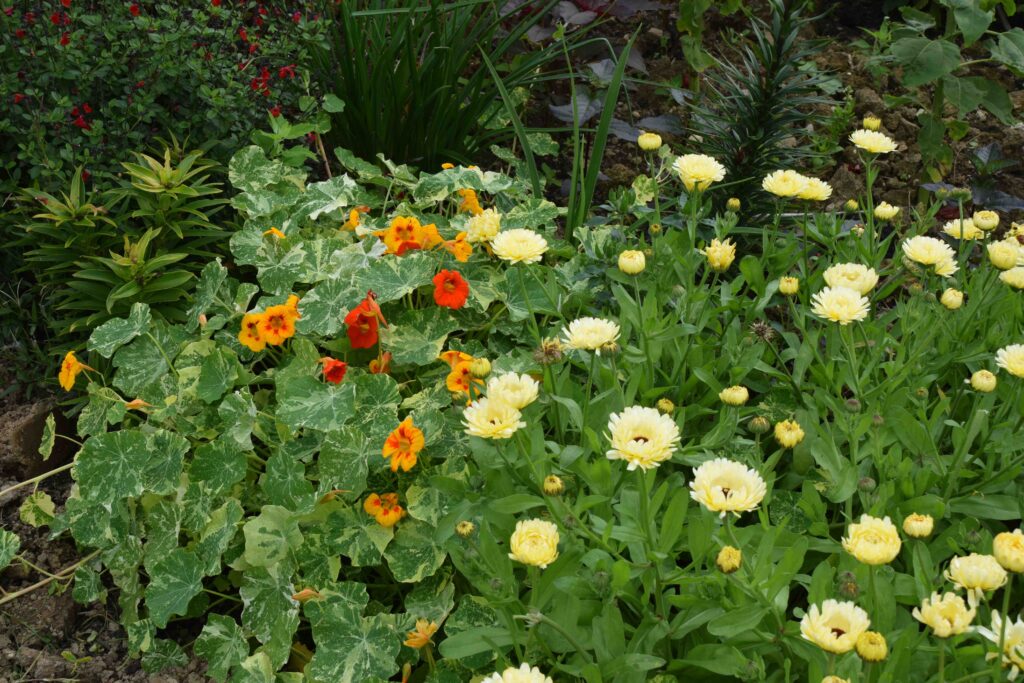
And now is the time to sow hardy annuals to fill gaps in borders for next-to-nothing! Fork over the soil and remove weeds and sow the seeds where the plants are to grow. Among the best and easiest are calendula (pot marigolds) and nasturtiums which are not only easy to grow but have large seeds that are easy to handle and sow. The flowers also attract beneficial insects to your garden.
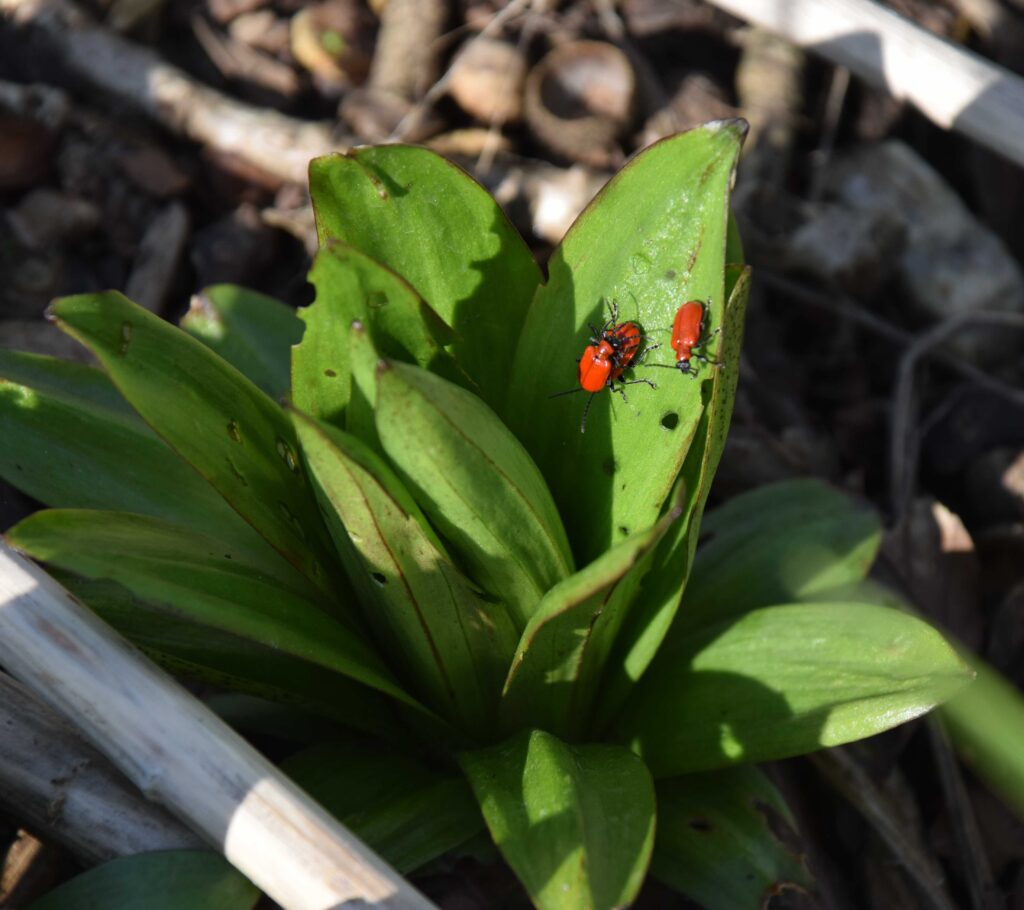
Of course not all insects are as welcome as bees and hoverflies so keep a look out for scarlet lily beetles on your lilies and fritillarias. These bright red beetles will chomp through your lilies, even eating the flowers if they have eaten all the leaves. They lay eggs that hatch into grubs that will also munch your lilies. Pick off the adults and the slimy grubs as soon as you see them.
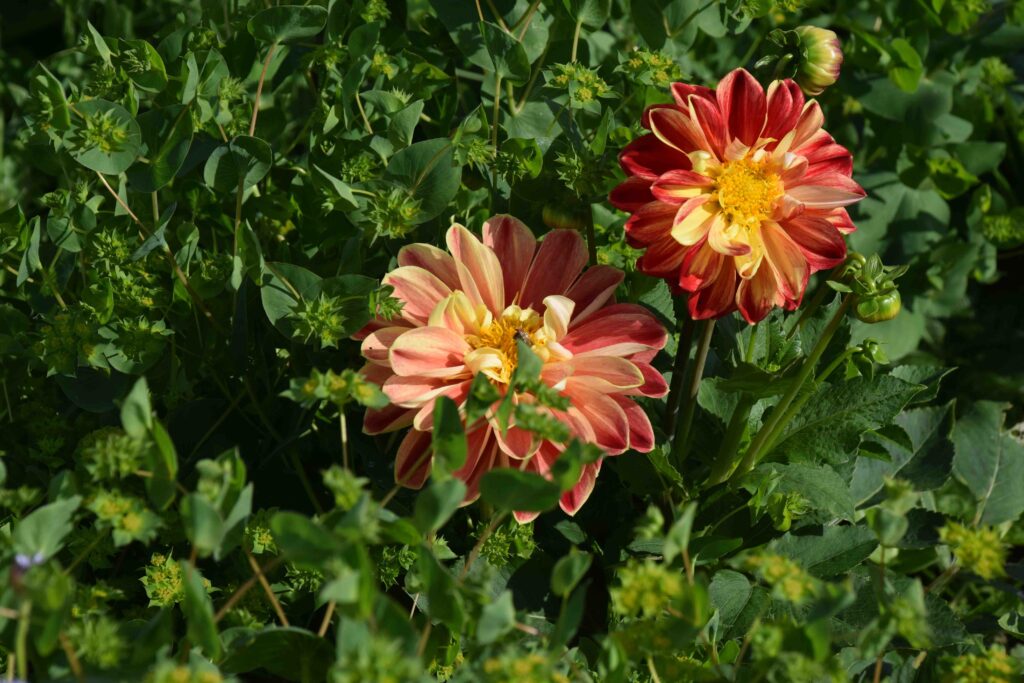
While you are buying your potatoes, don’t forget it is also your last chance to get dahlia tubers. These can now be planted straight into the soil where you want the plants to flower. Dahlias are great value and flower all summer, in a marvellous range of shapes and colours. Gladioli can also be planted in the garden now and are wonderful as cut flowers.
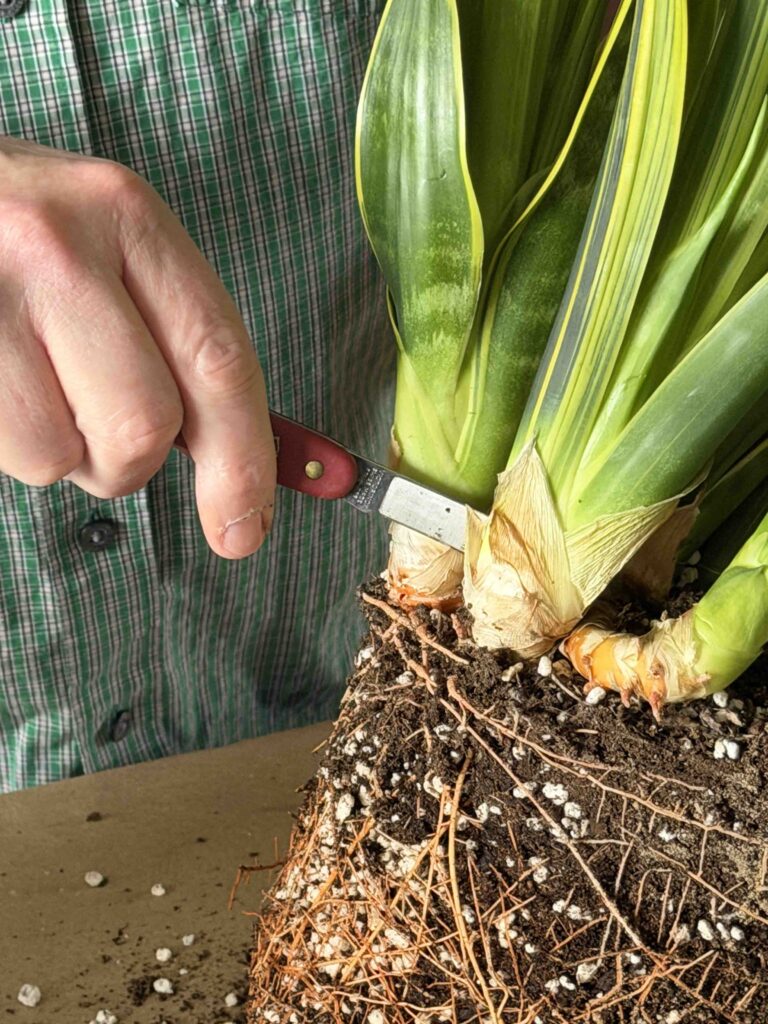
If the weather is not perfect for planting outside, consider giving your houseplants some TLC. Now is the right time to repot them or, if they are clump-forming, like sansevieria, you can carefully divide them. Whether potting or repotting, use houseplant compost, which is formulated to drain well. And you should now start to feed all your houseplants with your preferred brand of fertiliser. Remember you should feed little and often and do not feed insectivorous plants.
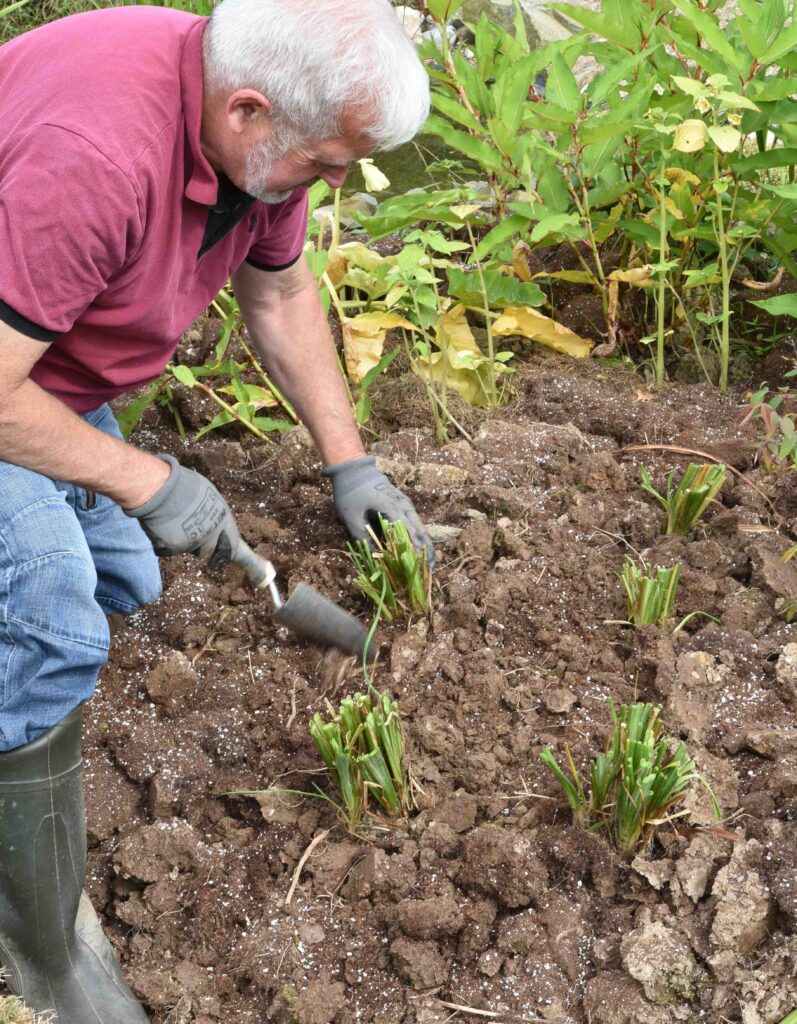
If the weather is overcast and rain is forecast, it is your last chance to move or to divide your herbaceous plants like hardy geraniums and day lilies. Lift the clumps, cut or pull the clumps apart and replant quickly so they do not wilt. Water them immediately and keep the plants watered till they establish and no longer wilt.
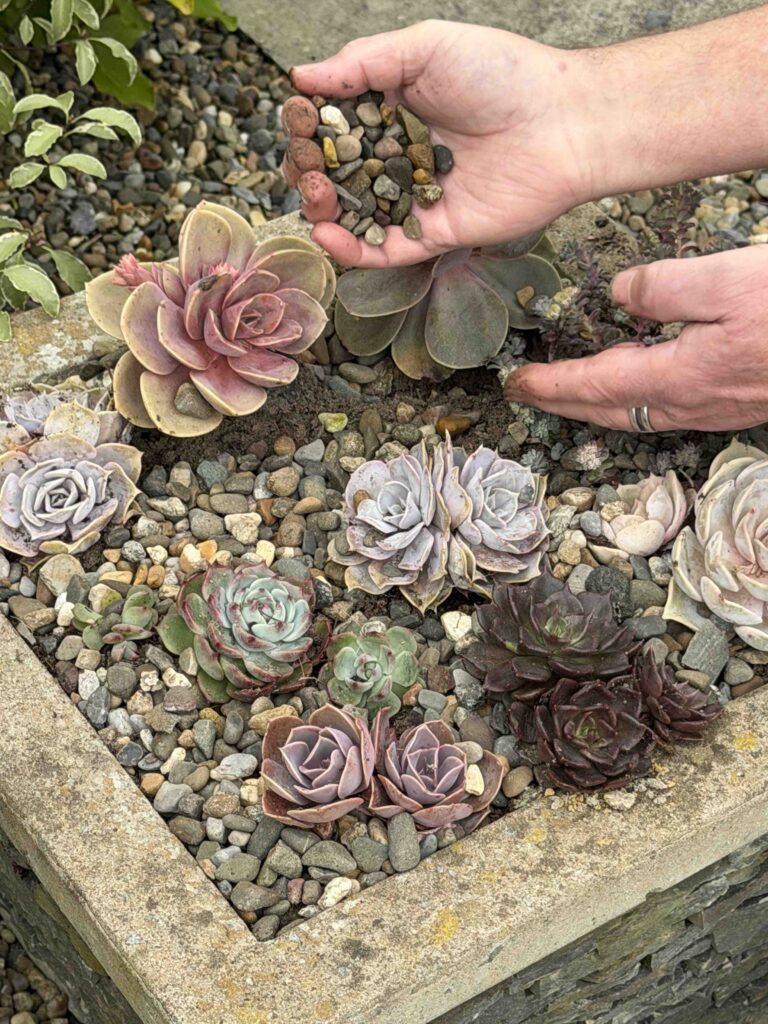
And if watering is not your ‘thing’ why not plant up a patio pot with succulents. Many are hardy but echeverias will not tolerate harsh frost. But they can be planted and left outside in sheltered areas now and their colourful rosettes are always attractive. Plant them in John Innes compost and cover the surface with grit or gravel to show off the plants.
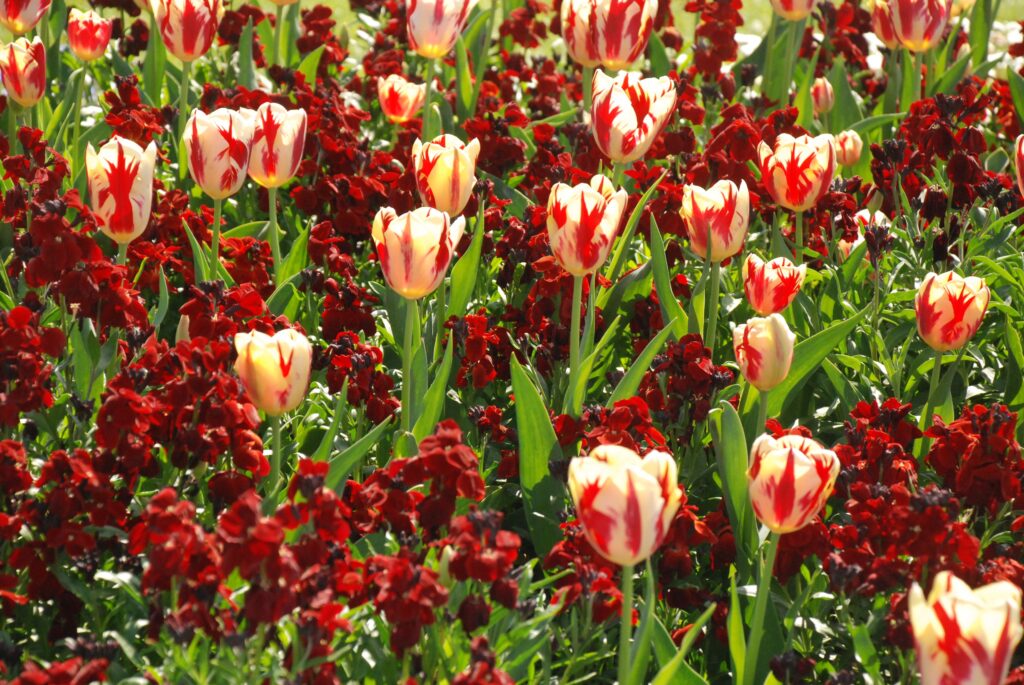
Don’t forget to enjoy your garden too! Although the lawn will need mowing and the grass will benefit from a lawn fertiliser it is important to enjoy all your flowers and just enjoy being outside and hearing the birds singing! Whatever you do in your garden, enjoy it and Happy Easter.