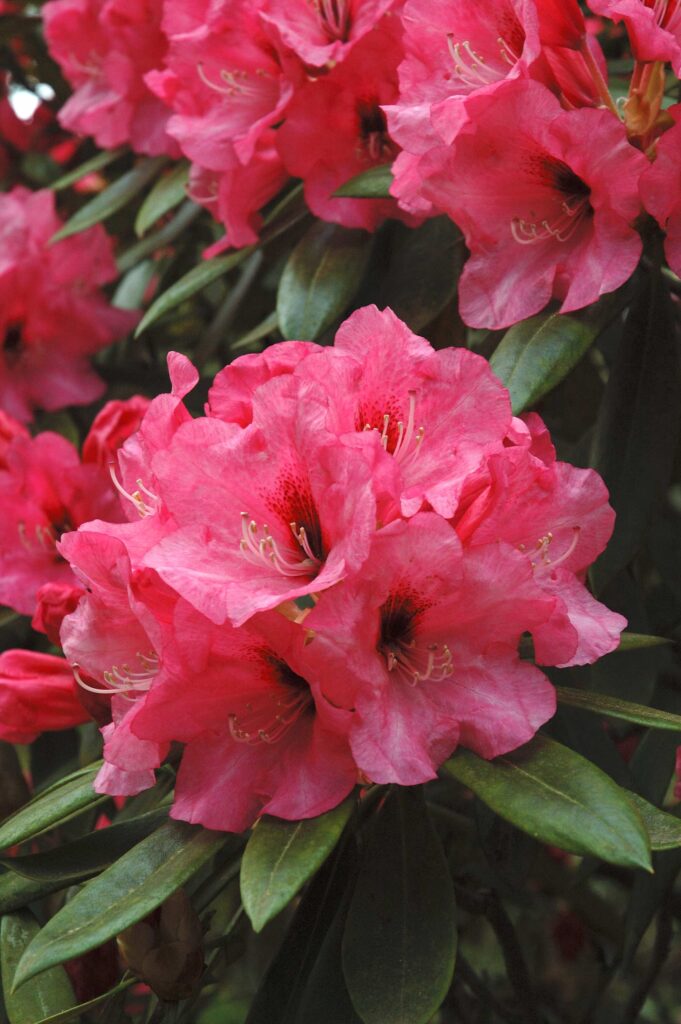
It is the season for rhododendrons. These remarkable hardy, evergreen shrubs dominate gardens where they are planted with trusses of spectacular flowers in an amazing array of colours. Azaleas, which can be evergreen (often known as Japanese azaleas) and deciduous azaleas (often, but not always, deliciously fragrant) are now strictly known as rhododendrons but it is useful for gardeners to maintain the distinction!
All these plants thrive in sun or part shade. More significantly, they are ‘lime-haters’ meaning that they will not grow well in soils that are ‘limey’ with a pH of more than 6.5. Pieris and camellias also need the same conditions. As a guide, in acid soils hydrangeas will be blue; in alkaline or limy soils they will be pink. In alkaline soils most rhododendrons will slowly die and have sickly, yellow foliage.
A way to get round this is to grow your rhododendrons in pots of ‘ericaceous’ compost but you must not allow them to dry out and it is a lot of work.
There is now an easy way around this. New ‘Inkarho’ rhododendrons, sold with various trade names such as HAPPYdendron (R), Easydendron (R), Grazeasy (R), and ‘Bloombux’ (R) are special and usually grafted onto roots that tolerate lime in the soil. They allow you to grow rhododendrons in any soil and are well worth looking for. You will find them for sale now at Knights.
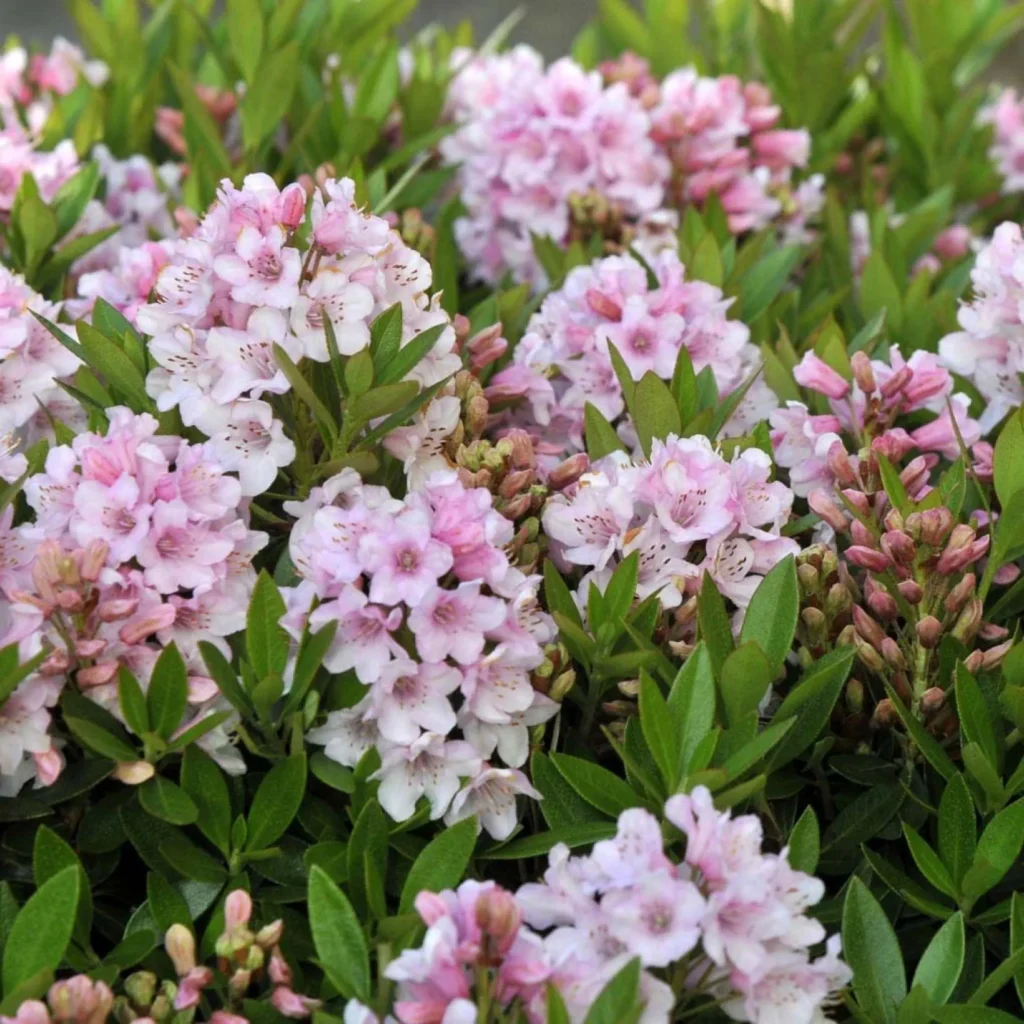
Rhododendrons prefer a light, open soil and usually struggle on clay soils or soil that is waterlogged. They have fine, surface roots and love a good mulch of leaf mould or well-rotted manure or compost. Now is a great time to plant them but they usually have dense roots in the pots and you must water them well before planting and then keep them moist all summer as they get established.
First, dig over the area thoroughly and incorporate lots of organic matter. Your rhodo should last for many years so make the effort to prepare the planting area – don’t just dig a hole and add a handful of compost! If you don’t have garden compost or leaf mould to dig in you can use a bag of shrub-planting compost or a bag of ericaceous compost. Mix it in well.
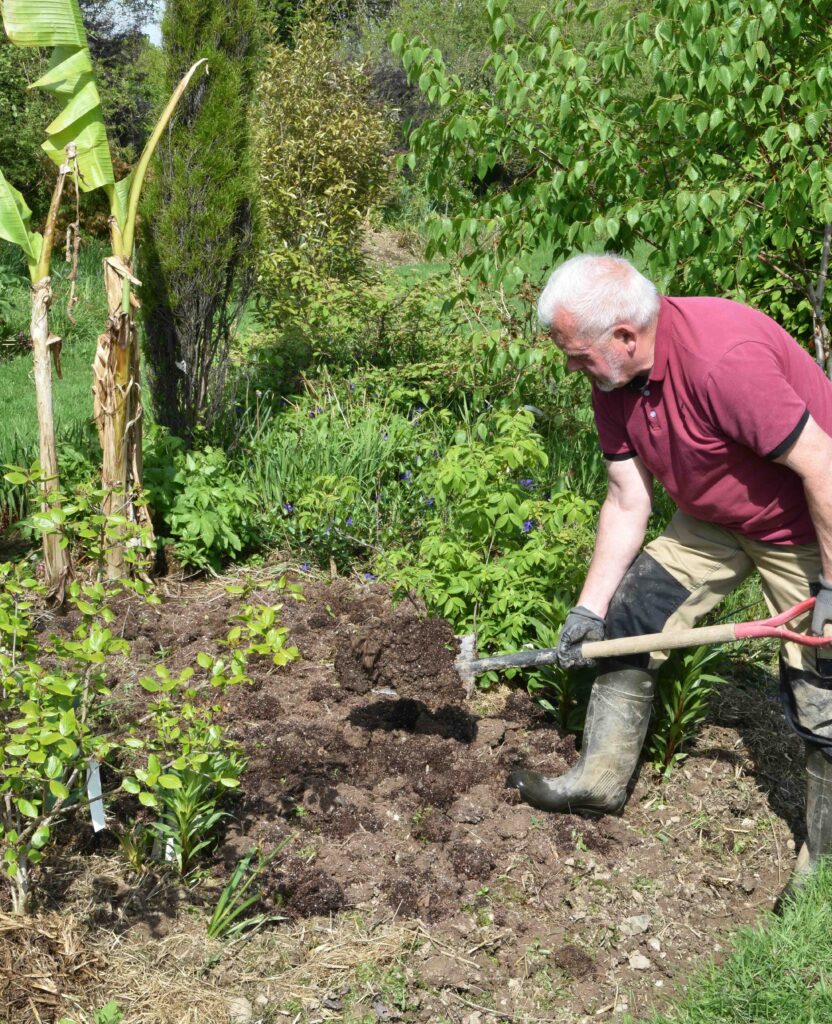
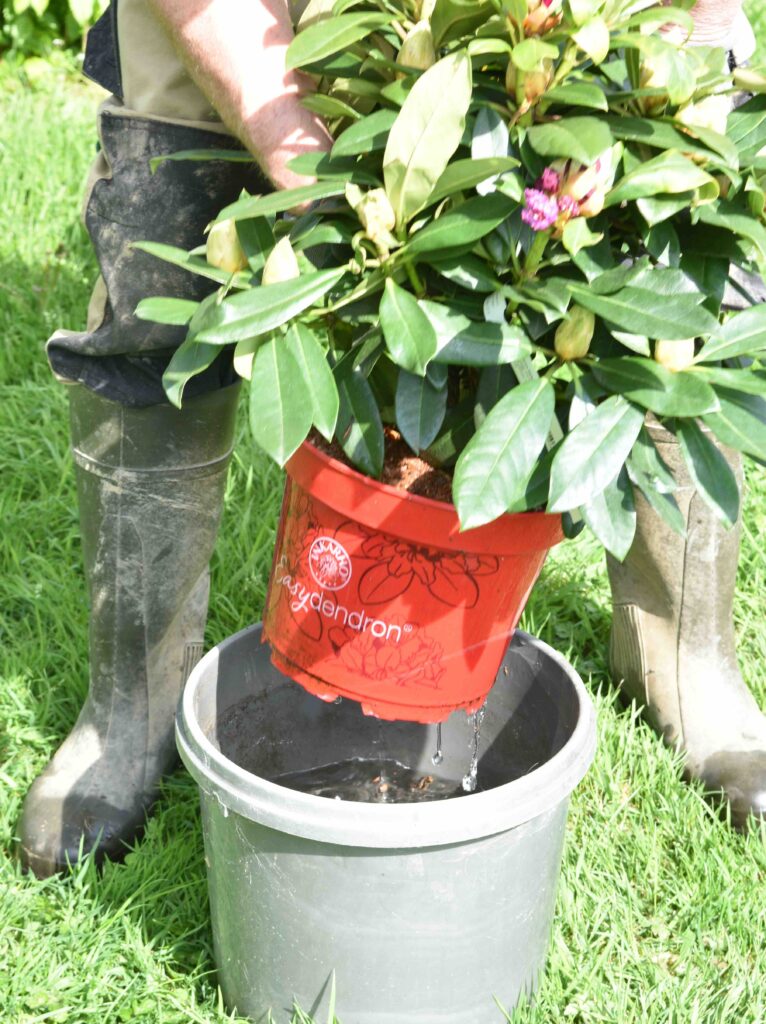
At the same time, dunk the plant in a bucket of water for half an hour or so and thoroughly wet the roots.
Then dig the hole, water the hole before you plant, take the plant out of the pot and plant it at the same depth as in the pot, replace the soil and firm gently and then water to settle the soil around the roots.
Then water every few days at first to prevent the rootball from drying out.
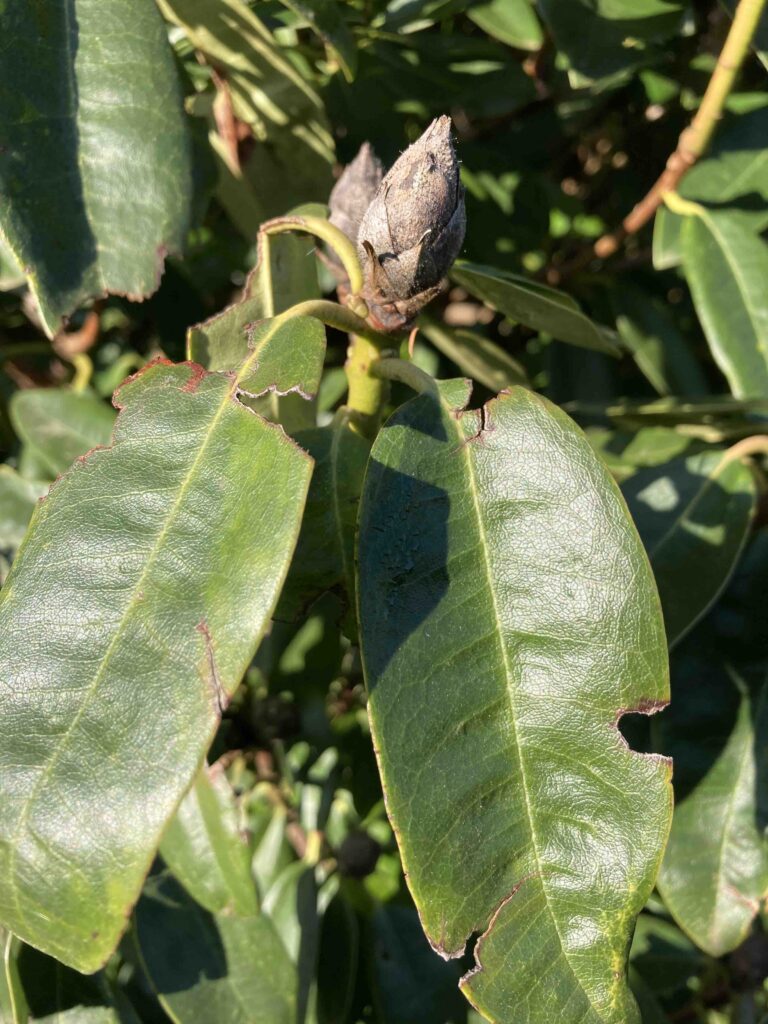
If you have established rhododendrons, look out for bud blast. This is a fungal disease, spread by leaf hoppers (small flying insects) that kills the flower buds. Affected buds, that are punctured by the insects in summer and that then become infected with the disease, turn brown, then grey, and will not open. The best course of action is to snap off all affected buds, which will not have opened into bloom in May, to reduce infection of the buds that form this year.
Jobs for the week
Check lilies for bright red lily beetles and pick them off to prevent them eating your lilies and from breeding
Pinch out the tips of broad beans if infested with blackfly
Spray roses to prevent blackspot
Cut off runners from strawberry plants to promote fruiting
Hang up hanging baskets and keep them watered and fed
Sow wallflowers for an abundance of blooms next spring
Hoe off daffodil foliage if it is turning brown.