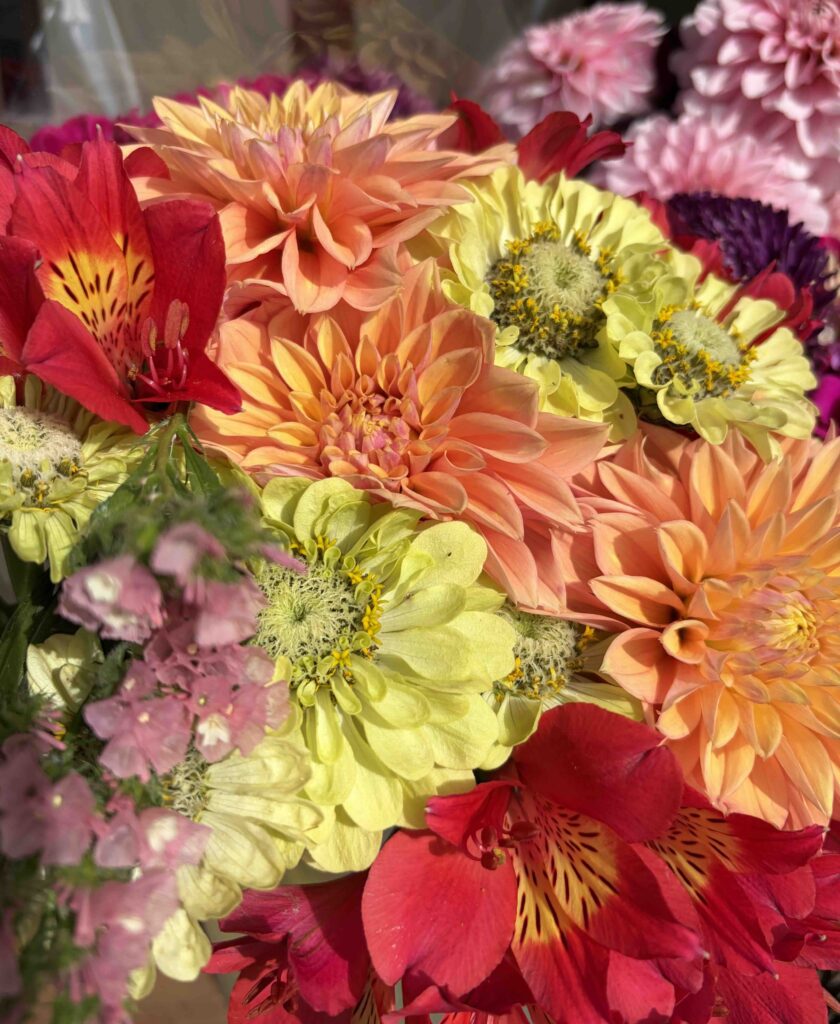
It is lovely to be able to go into the garden and cut some flowers for the house. Some people think of this as ‘robbing’ the borders but I always think that it is good to pick flowers and appreciate them close up.
Most of the cut flowers you buy in supermarkets have been grown in far-flung countries, shipped to be auctioned in The Netherlands and then trucked to the UK. They will have been sprayed and treated with chemicals. But that means you can buy chrysanthemums all year and carnations every day.
If you grow your own cut flowers you will be limited to what is in season and there will be many months when there are no fresh flowers to pick at all. That is why it is good to grow ‘everlastings’ such as helichrysum, statice and rhodanthe to decorate the home in the cold months. All are easily grown from seed, sown in March and April.
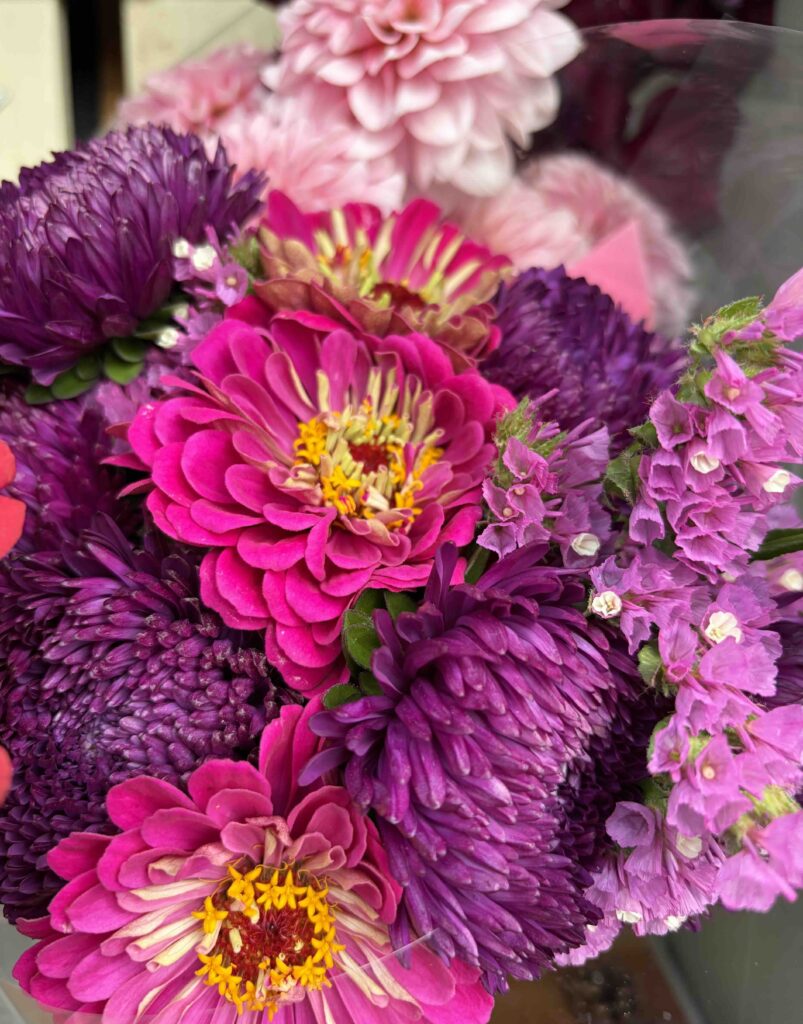
I always set aside a bit of the veg plot to grow some cut flowers but in the past four years I have been growing a few more cut flowers. I sell bunches of cut flowers, at the gate, for charity, with an honesty box for payment. I start the season in March, and sell 10-20 bunches each weekend till late September, though I may stop slightly earlier this year because the heat and drought has played havoc with the garden. It means I need a steady supply and no periods without blooms.
So what do I grow to produce cut flowers for seven months? The flowers I grow are all easy to pick and prepare. I also avoid flowers that drop petals because it annoys me in the home.
As an aside, and this may not be you, I have also discovered that people like to buy familiar flowers and ‘pink’ bunches sell best. Alstroemerias all sell out because they last so long in the vase. And oddities such as the green zinnias that I grew the year are treated with suspicion! I grow fillers like ammi, fennel and ornamental carrot to give bunches a ‘wild look’ but these are not popular, though I like them!
March and April
Daffodils and tulips reign here. I add foliage to the bunches, especially griselinia from my hedges. I grow a few anemones and freesias but they are not reliable or good for bulking the bunches.
May
Alstroemerias are my saviour this month. I grow them in the polytunnel and, if there is not a hard spring frost they start to bloom in April. I add purple alliums to the bunches. I grow lots of sweet Williams and these start this month. I sow them in June and I have just planted out the bed for flowers next year.
June
The sweet Williams provide lots of bunches and the alstroemerias in the polytunnel are coming to an end, but those outside will soon be in bloom. Some autumn-sown annuals will be flowering which can be added to bunches.
July onwards
By now all the annuals will be in bloom and there are plenty of flowers all summer. Borders are also raided for achillea, delphiniums and even lilies.
Here are some photos of my cut flowers this weekend (bunches at the top of the page).
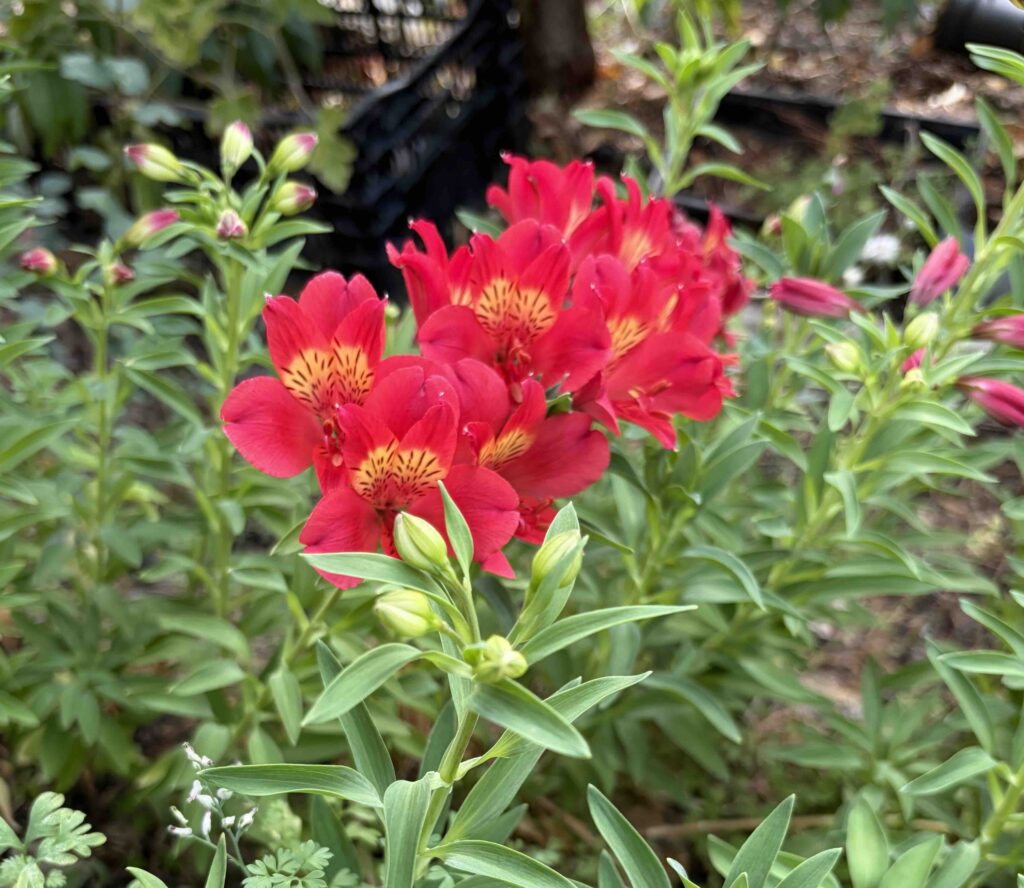
Alstroemeria. These hardy perennials produce flowers for months. The flowers also last for several weeks in the vase. Always pull the stems from the soil rather than cut them. Ensure you don’t buy the dwarf kinds if you want to pick them! You can buy and plant them now.
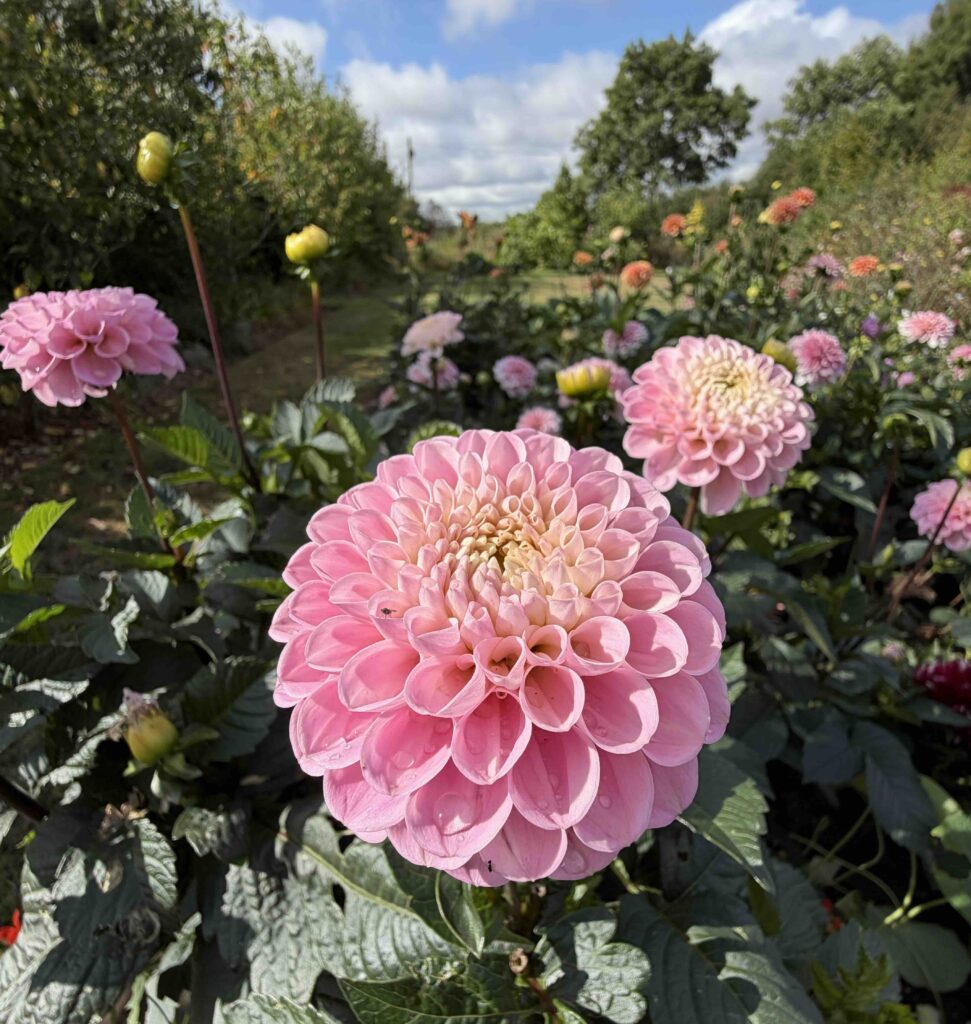
Dahlias. Great flowers in a wide variety of colours and shapes. Start from tubers in spring and you can cut all summer into autumn. I disbud the stems to produce large, long-stemmed blooms. And I grow those with small and upward-facing flowers because they are better to pick than the giants. They prefer rich soil, sun and lots of water.
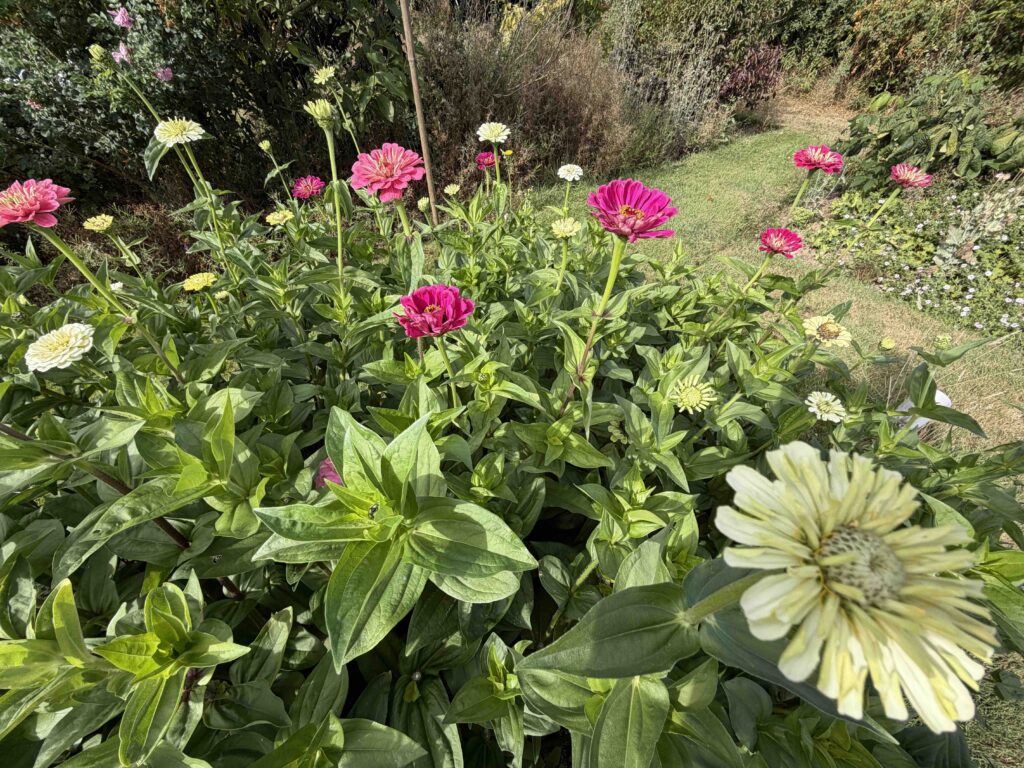
Zinnias. These are easy to grow from seed but they dislike root disturbance. Sow in individual cells in trays. They like warmth and sun. Always buy tall varieties and buy the best quality seeds. They flower for ages and the flowers last well in water. The plants have just been picked and are now about 1.2m high.
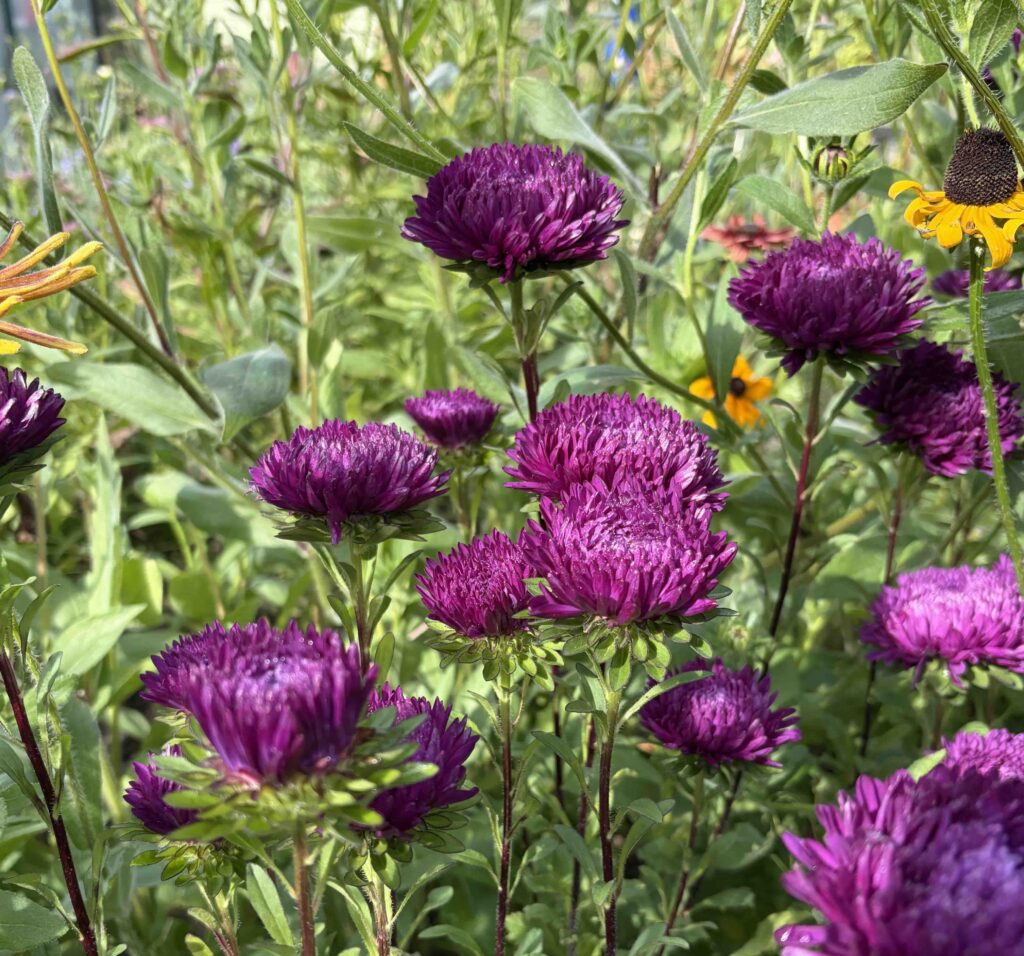
Asters. A traditional favourite and quite easy to grow but they have a short flowering season, mostly in August. Buy a mix of colours for the longest picking season. Sow in March.
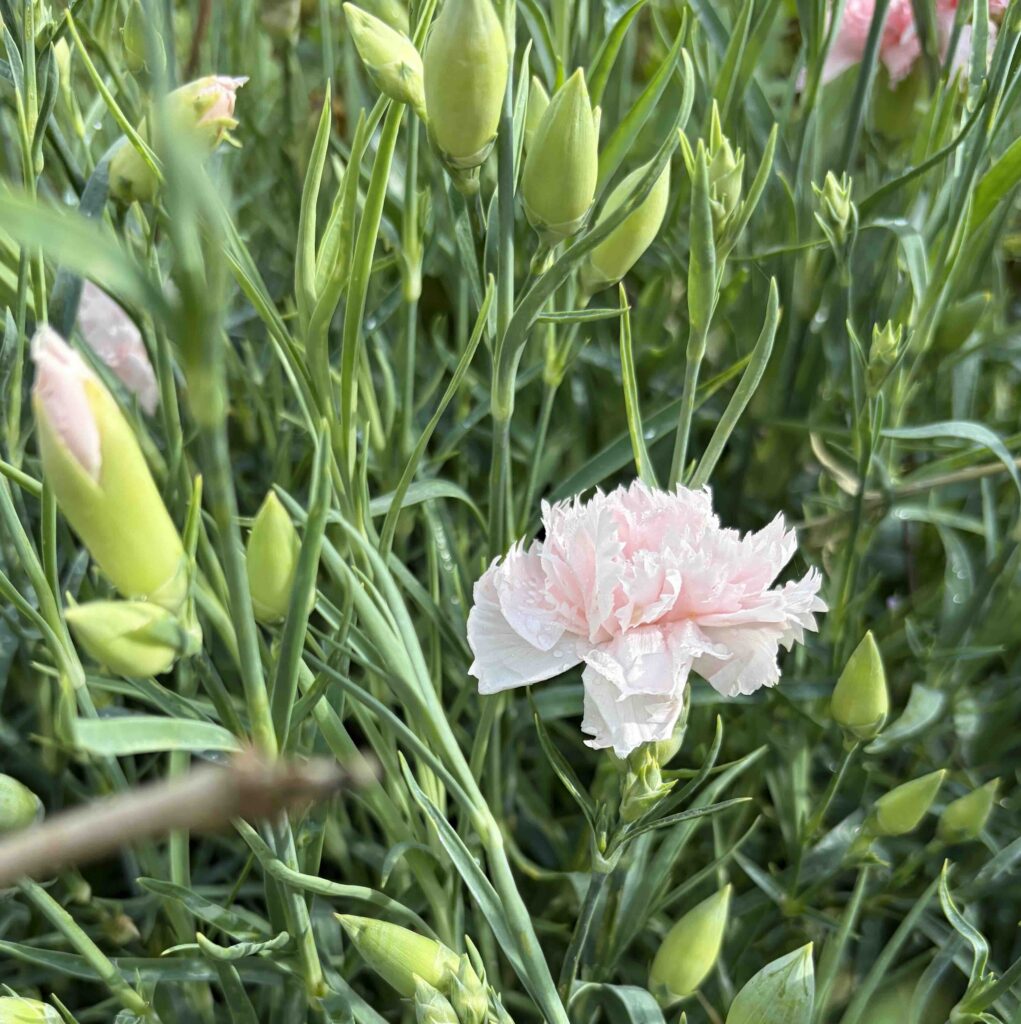
Annual carnations. These are quite easy to grow from seed sown in March. These are Chabaud carnations and this pink one is called ‘La France’ although they are usually sold as mixtures. Plants can be a bit variable but the flowers are wonderfully scented. They flower from August onwards from a March sowing. Last year I sowed some in August and planted them in the polytunnel in October to produce flowers from June this year. It was worth doing and I have only just pulled up the plants.
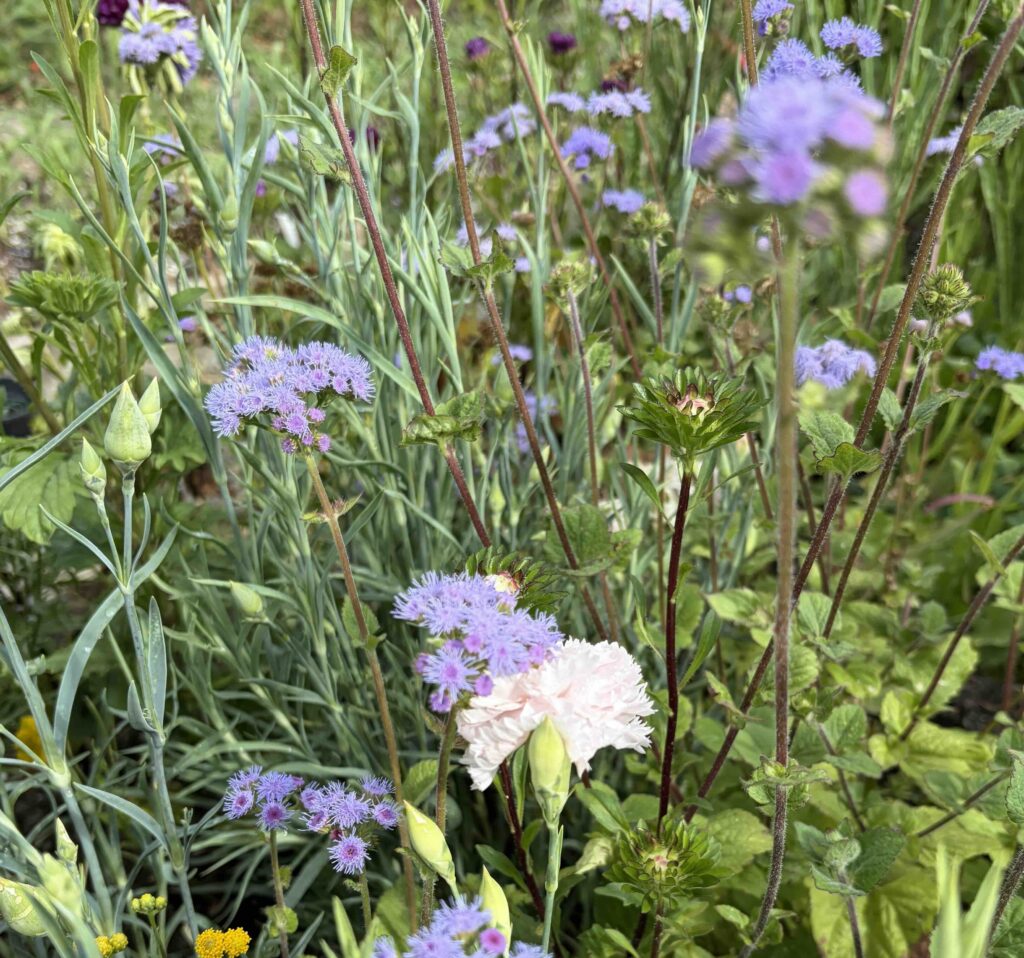
Ageratum. You will need some ‘fillers’ too. Ageratum is a great choice and lasts well but make sure you buy seeds of tall kinds and not the dwarf bedding kinds. You can also get white and pink ageratum.
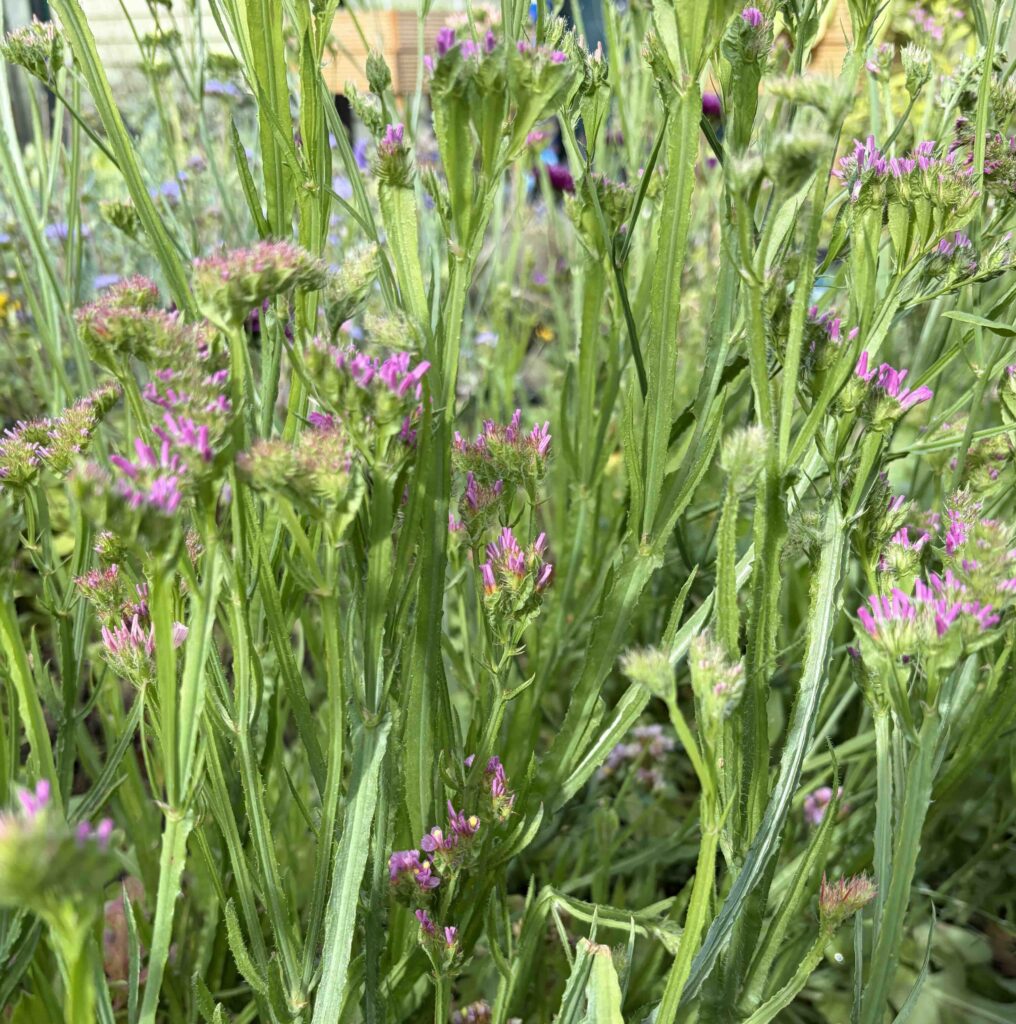
Statice. Not a great photo because I have just picked the bunches but statice is a great plant that produces a long supply of flowers in lots of colours. It dries well too.
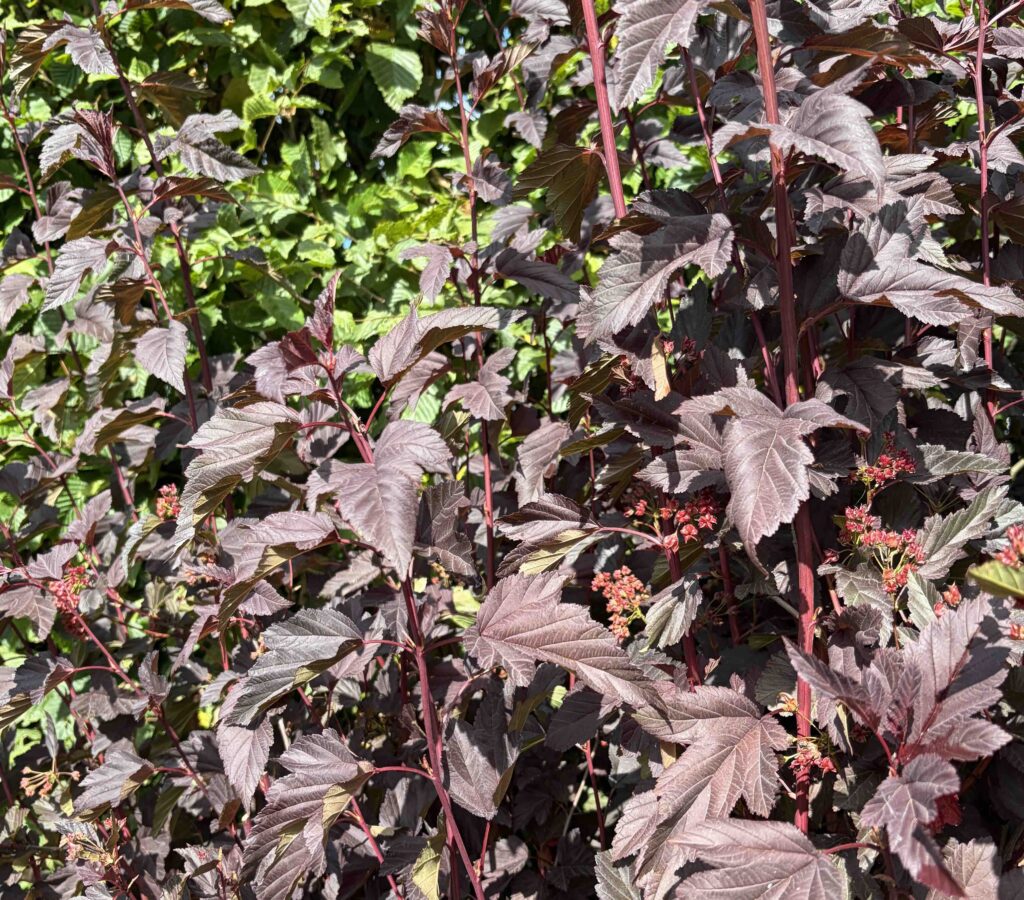
Physocarpus. You will also need some foliage to fill up bunches or arrangements and you can’t do better than plant a physocarpus. I would plant them even if the foliage was not so useful for cutting. In fact I have five different kinds in the garden. You should have at least one! They are easy to grow, tolerate wet soils and drought and bees like the flowers.
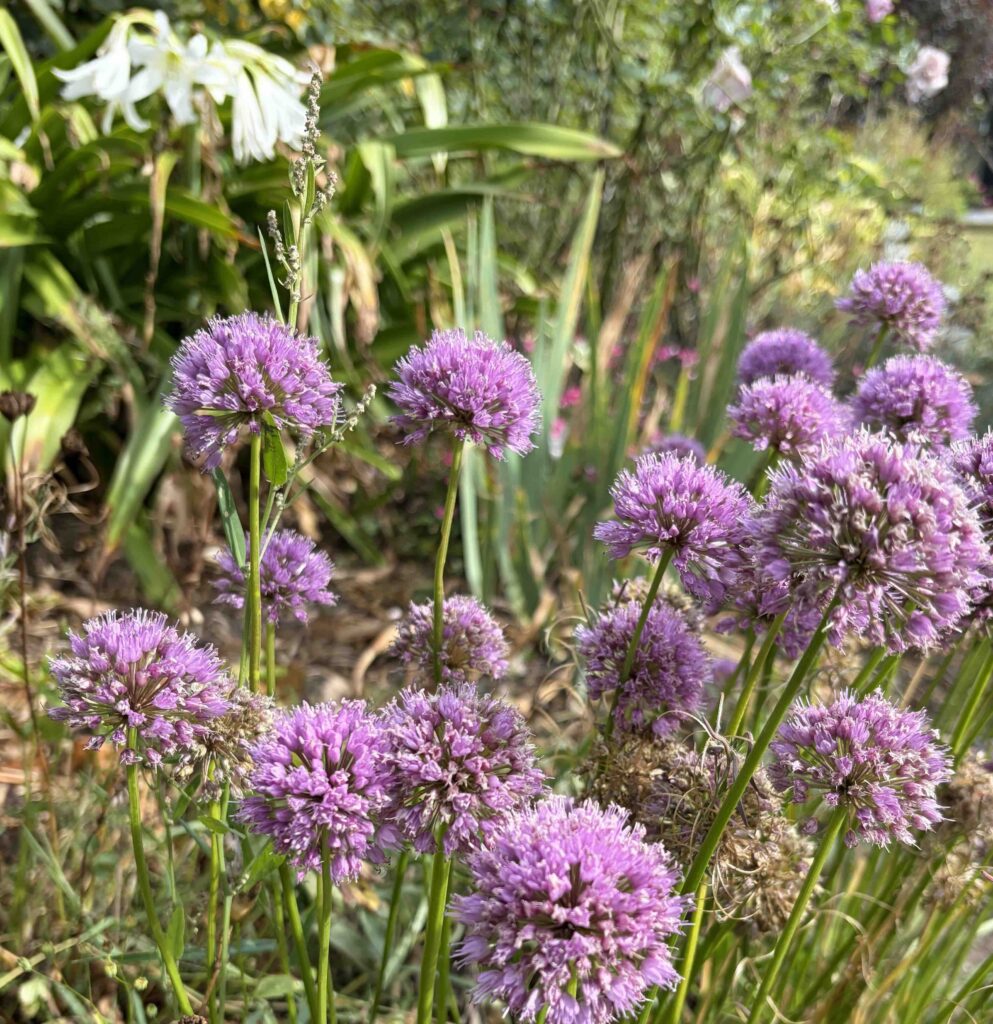
Allium ‘Millennium’. This small, herbaceous allium is slowly becoming popular. Unlike the bulbous alliums it forms clumps of strappy leaves and the flowers, which are loved by butterflies, are produced over many months in summer on stems about 30cm high. This clump has been raided for flowers but has withstood the heat and drought and has not been watered and yet it continues to bloom. Whether you grow it for cutting or just for garden decoration I recommend this tough perennial for you garden. Treat yourself to a pot this weekend.