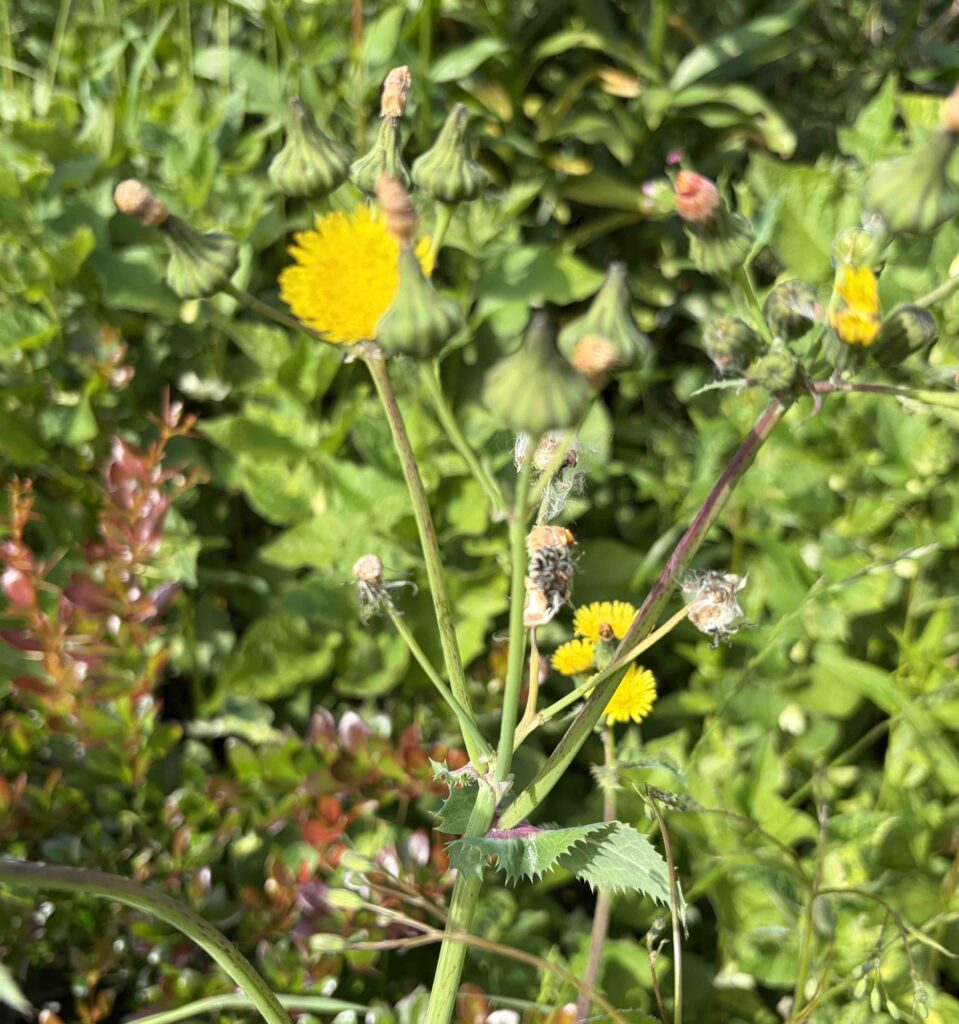
Weeds are a nuisance. I spend a lot of my life weeding. And I was still able to pop out and take these photos of the weeds in my garden! No matter what I plant in the garden the weeds always seem to grow more quickly than the plants. And there is a good reason for this.
If you wear rose-tinted spectacles weeds are just plants in the wrong place. The fact is that ‘weeds’ are the plants best adapted to your garden. The types of weeds that thrive in your garden will depend on your climate and soil. On my rather heavy and wet soil I struggle to control docks, plantains, creeping buttercups and willow herbs. In some areas, creeping thistle is a nuisance because it creeps in from the surrounding field. In the drive grows scarlet pimpernel because the dry conditions suit it – I should kill them all but can’t resist the charm of this dainty weed so I leave some and even scatter collected seeds in other areas.
It is true that ‘nature abhors a vacuum’ and if you clear the soil in a border it won’t be long before weeds move in. But not all weeds are the same and knowing your weeds can help you to tackle them effectively.
Annuals weeds such as chickweed, groundsel, annual spurge, hairy bittercress and cleavers (goosegrass) germinate and grow quickly, sometimes setting seeds within weeks of appearing. They must be removed when they are young or they will set seeds. Because they will not resprout from the roots they can be easily hand weeded or hoed off. In fact a hoe is your best friend with annual weeds – hoe them off frequently in dry weather and they will wilt and die. And the loose soil you leave will help prevent more weeds germinating. A hoe is one tool that you must own.
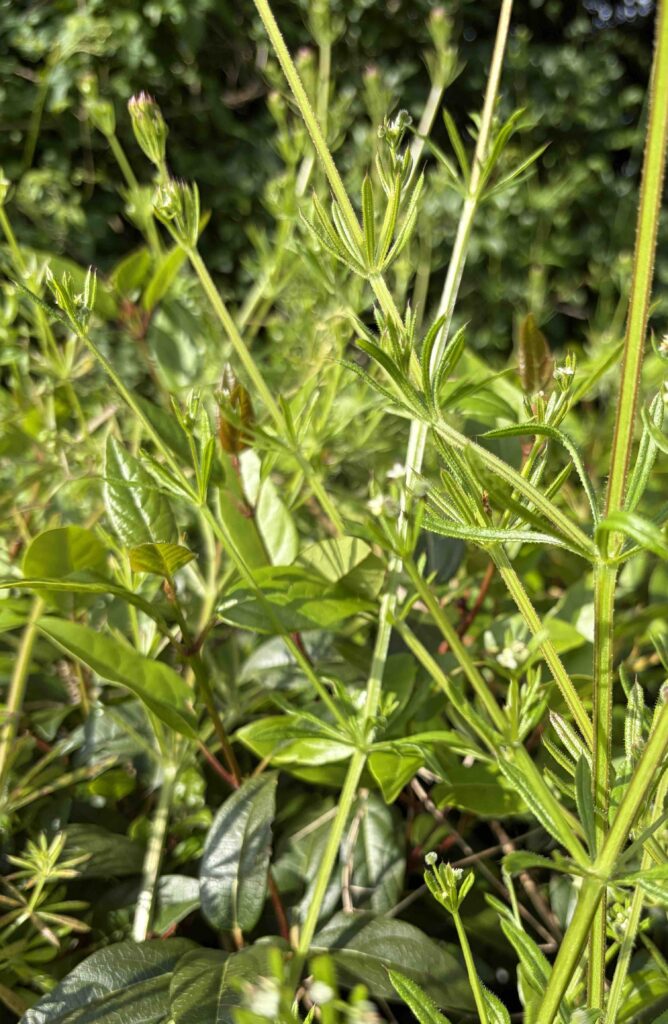
These weeds need disturbed soil and are less of a problem among herbaceous beds and in shade. They are a big problem in disturbed soil such as where you plant bedding plants and among vegetables. While you would not use a weedkiller among veg anyway, weedkillers are not necessary to control annual weeds – hand weed or hoe.
Perennial weeds are different. These include some really nasty weeds such as perennial stinging nettles (there is an annual type which is smaller), ground elder, docks, dandelions, bindweed and creeping thistles. These do not need disturbed ground to thrive and if you hoe off the tops the roots will produce more growth. In theory, if you hoe them off again and again they will be weakened and may die but it is best to dig them out.
In the veg plot they should not survive for long because of the constant soil cultivation. Some are tricky to dig out effectively and here a weedkiller can be useful. A product containing glyphosate will kill the plants but must not be sprayed onto plants you want to keep.
So what is wrong with weeds?
Weeds will compete with your plants for light, space, water and nutrients. They may also harbour pests and diseases: fuchsia rust is common on willow herbs. But how much weed growth you tolerate is up to you. And you may want to leave some weeds in some areas. I hate weeds among my bedding plants but in other areas I can tolerate some. It is a case of wisely picking your battle! Some weeds are beneficial to wildlife so I always leave a patch or two of nettles and in some areas of grass I leave dandelions to do what they want. But I can’t let weeds overwhelm my onions or lettuce or I would have no crops.
Perennials such as bindweed and ground elder must be controlled with a constant course of action. If you leave them for a year they will spread and be a huge problem the following year.
How to control weeds?
As already stated, annual weeds are easily controlled with a hoe. But you need to hoe little and often. Some weedkillers ‘burn off’ the weeds and are useful to control annuals but will not have much effect on perennials.
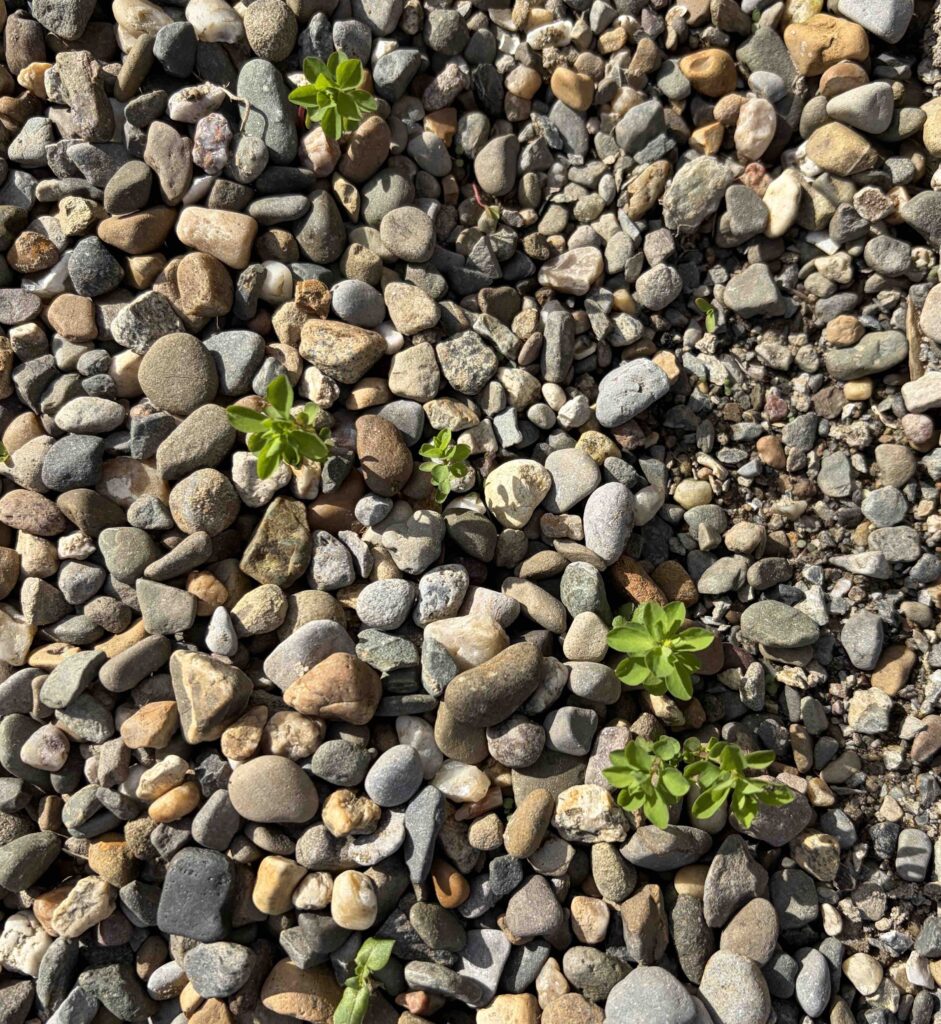
In gravel and paving you can use a gas-powered or electric weed ‘burner’ but be careful if you have a weed membrane under it! You can use a weedkiller but hoeing is just as effective and cheaper. Do not use home-made remedies such as vinegar, baking soda or other concoctions. Apart from being (technically) illegal they can damage the soil and may not be effective.
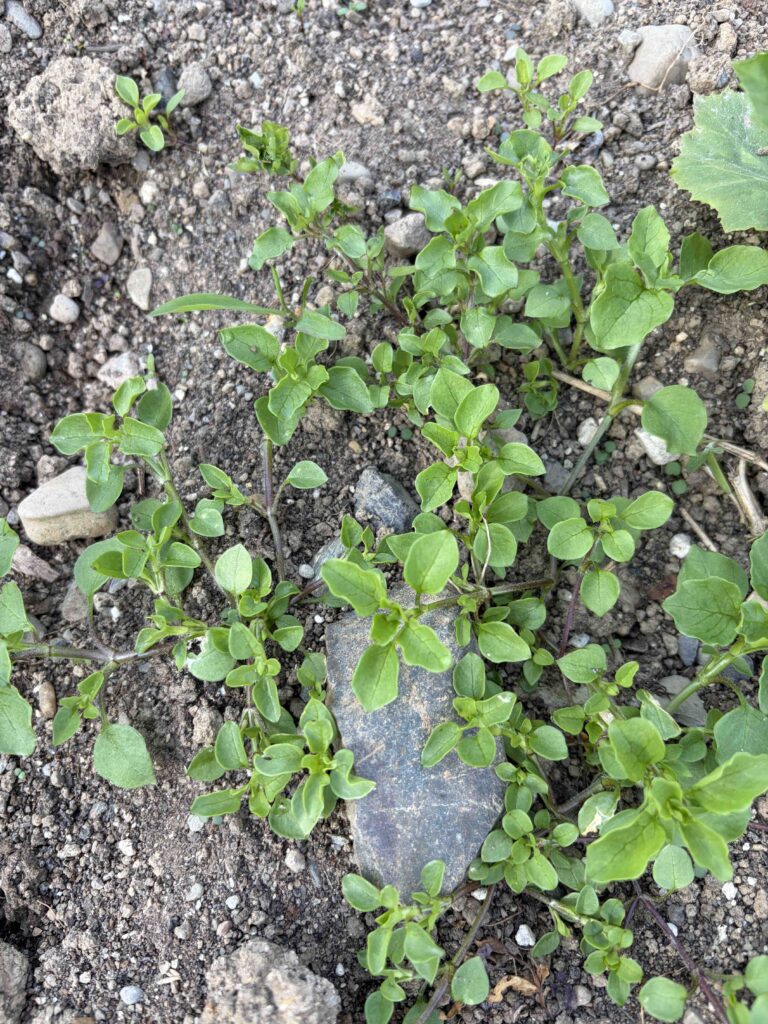
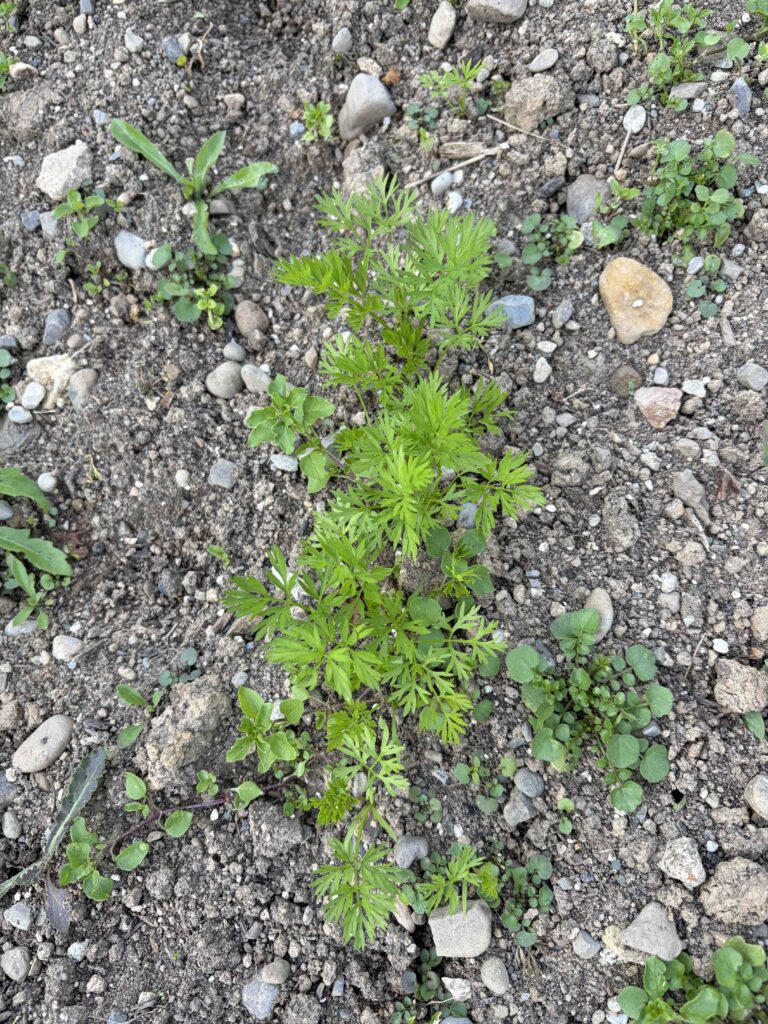
Chickweed is a real nuisance because the stems are thin and it is difficult to get the roots out but you need to keep on top of it by hoeing. This is especially important in young vegetable seedlings such as these carrots which need constant attention until the foliage is dense enough to compete with the weeds.
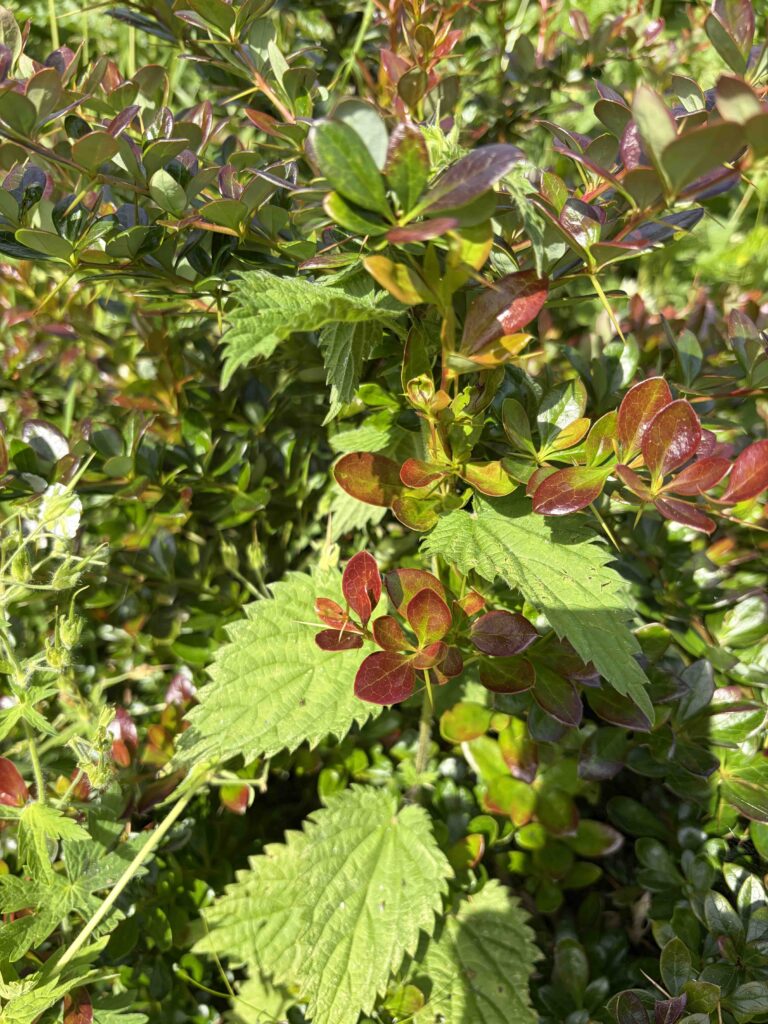
You can pull up nettle stems but you really need to dig out the creeping stems and roots.
Lawns
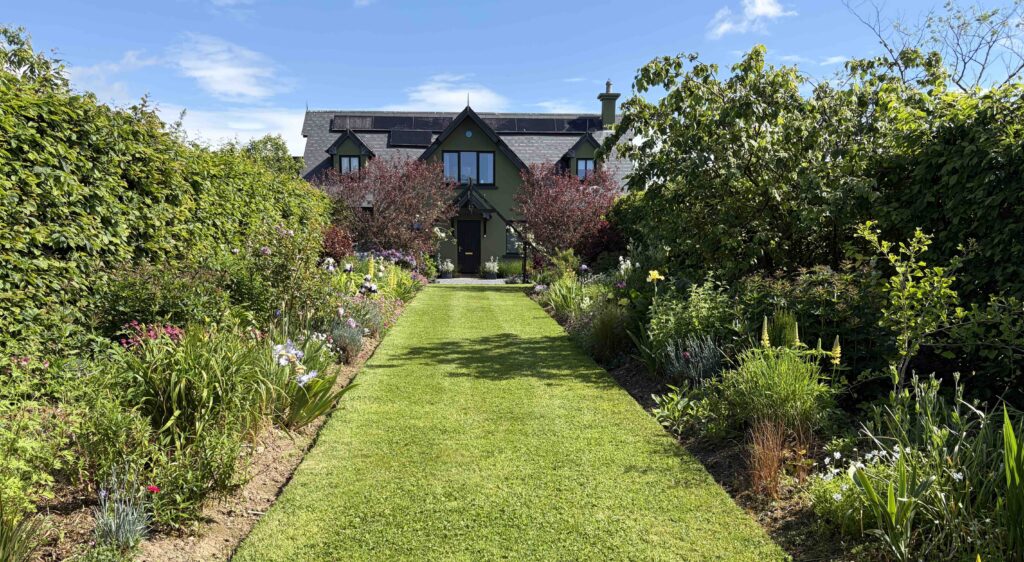
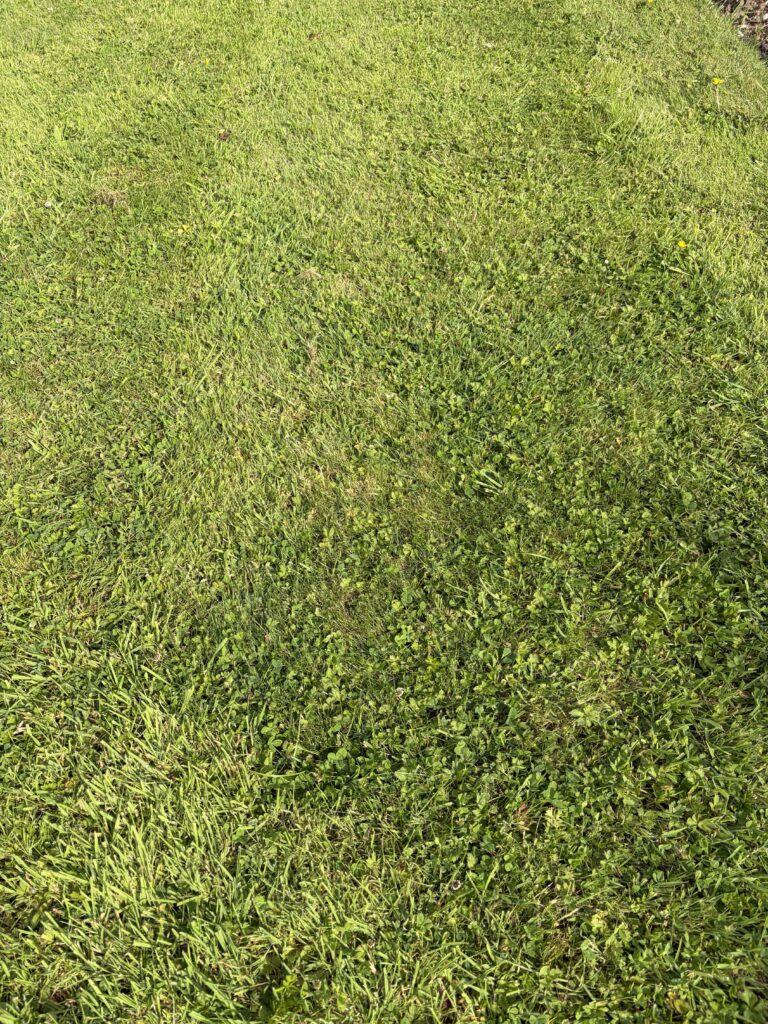
Lawns can be a constant worry, especially in summer when they can turn brown in heatwaves. Weeds can be a concern but I suggest a more relaxed attitude. My lawns would not win awards but they are ‘green’. I never use a weedkiller on them and they are full of creeping buttercup and clover. I dig out plantains but allow other weeds to grow. It is partially choice but also being practical – it is a battle I could not win without a huge amount of effort and expense!
Weeds tolerate poor soil and low nutrient levels and grass needs lots of feeding so I feed the lawn every spring to boost grass growth so it can compete with the weeds. The result is lawn that looks fine from a distance. I do have buttercups creeping into the borders but they are not that difficult to control and I am happy that I am not using chemicals on the lawn.
If you have a patch of stubborn lawn weeds that annoy you it is a good plan to buy a ready-to-use product to quickly treat it. But remember that many weeds will also seed in the lawn so if you sprayed a patch of plantains or black meddick and it is back the next year, you will need to treat it again. Always buy a lawn weedkiller for the lawn and NOT a product containing glyphosate which will also kill the grass.
I would also recommend mowing little and often and collecting the trimmings. If you leave them on the lawn it will encourage moss and will spread weed seeds.
The annoying thing about weeding is that you can spend all afternoon weeding and then sit down with a cuppa and admire your handiwork and there, standing proud over all your work is a huge sow thistle! Oh well, a gardener’s work is never done! Just remember that as you walk back indoors, pull it up before it seeds!